




Skip to content

Technical Reference

IEC 60320 Connector Guide

Complete specifications for every IEC 60320 coupler family. Temperature ratings, ampacity tables, derating curves, and application guidance for data center and industrial use. Updated 2025.

Connector Specifications

IEC 60320 Connector Families

Specifications for every coupler family. Physical fit does not mean correct specification — always match the temperature and ampacity rating to the application.

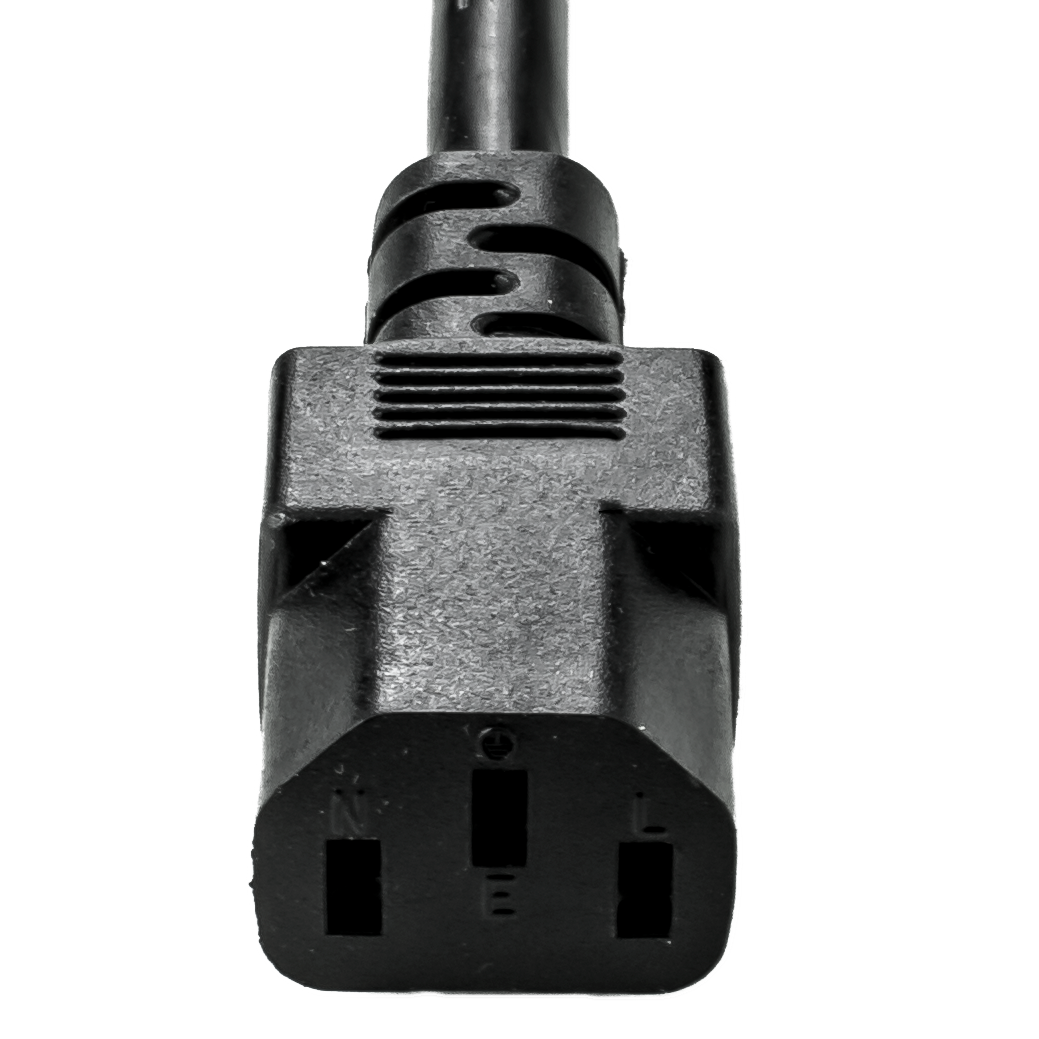
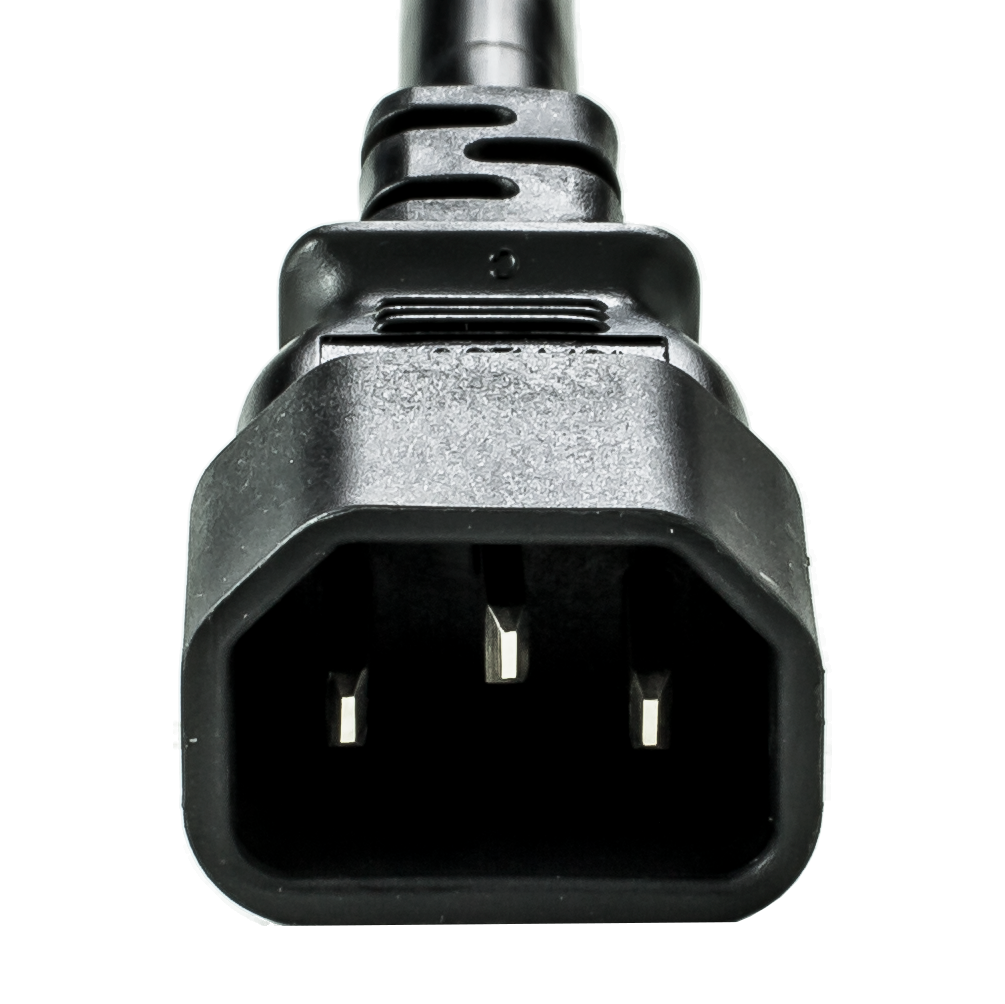
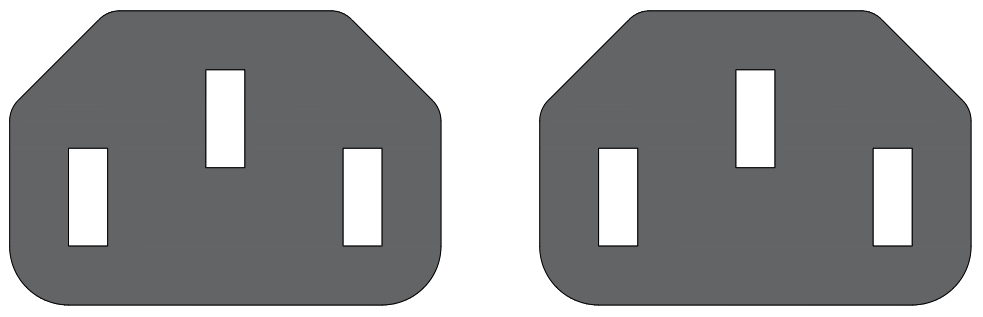
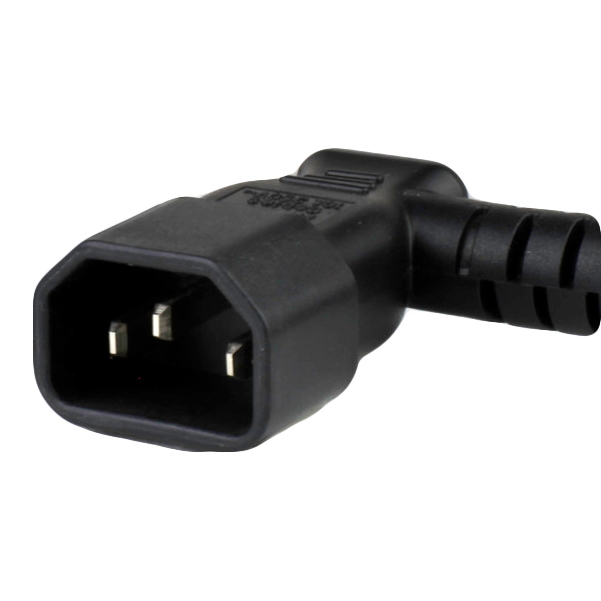
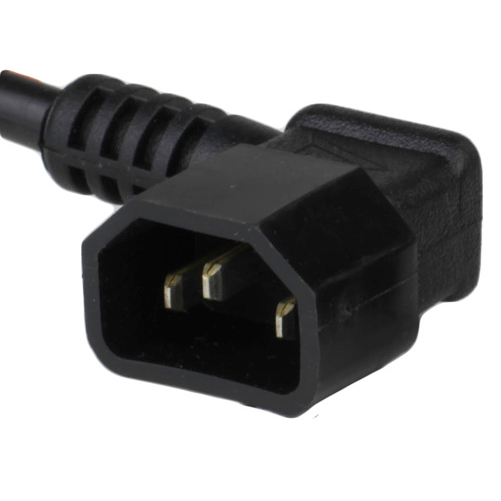
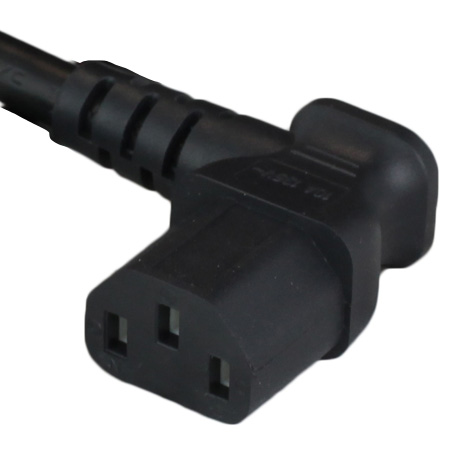
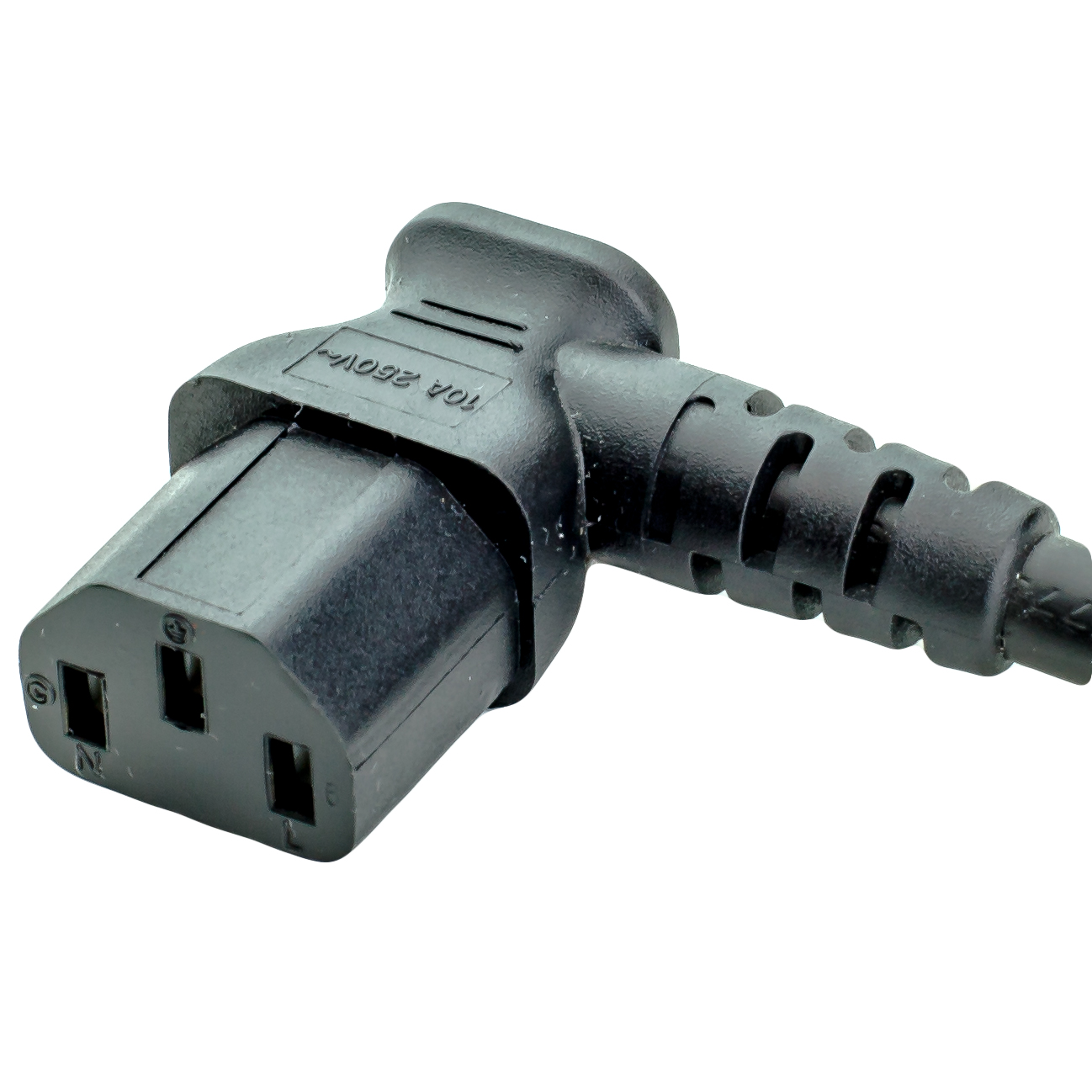
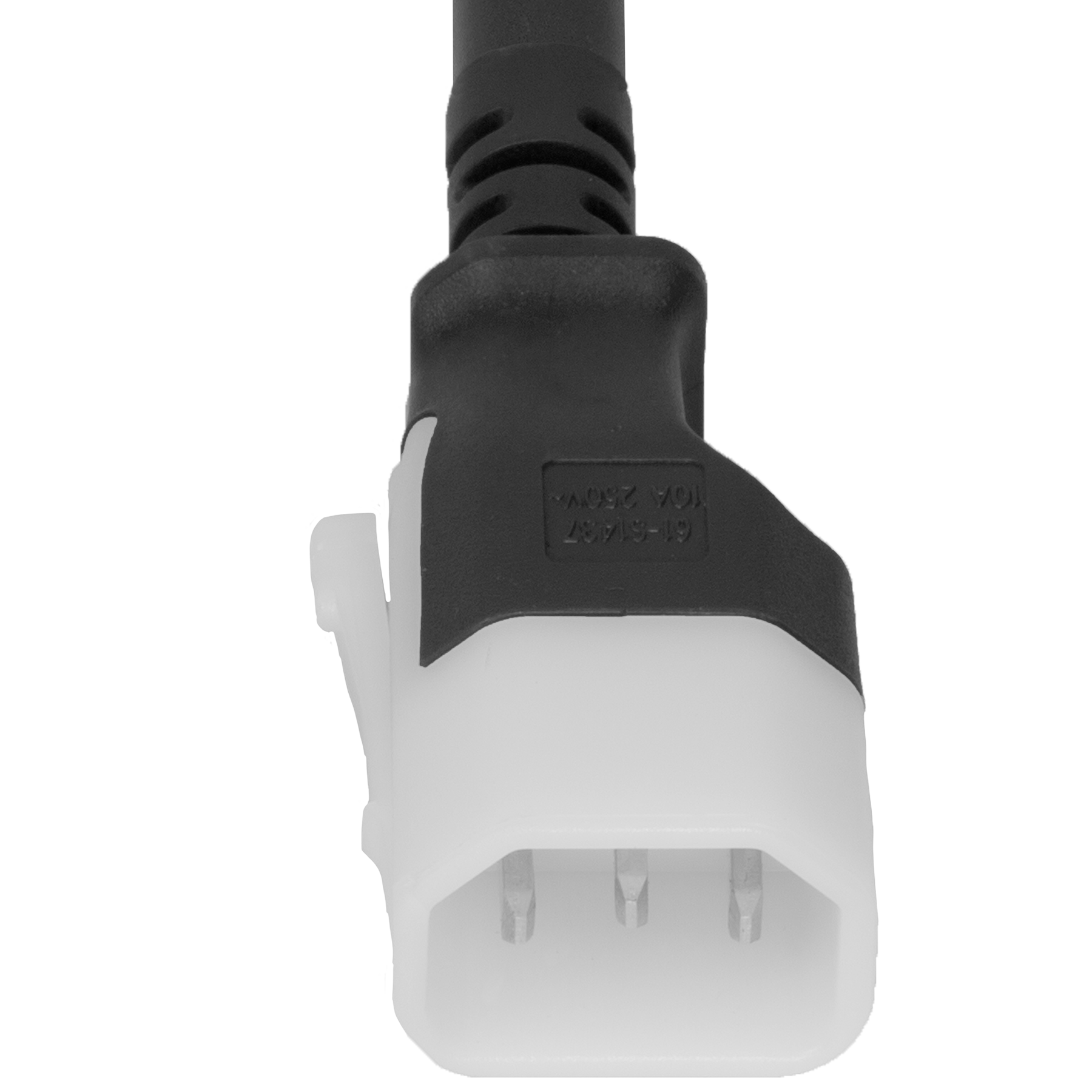
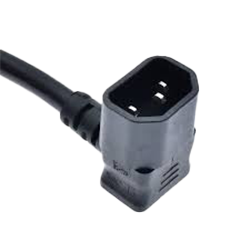
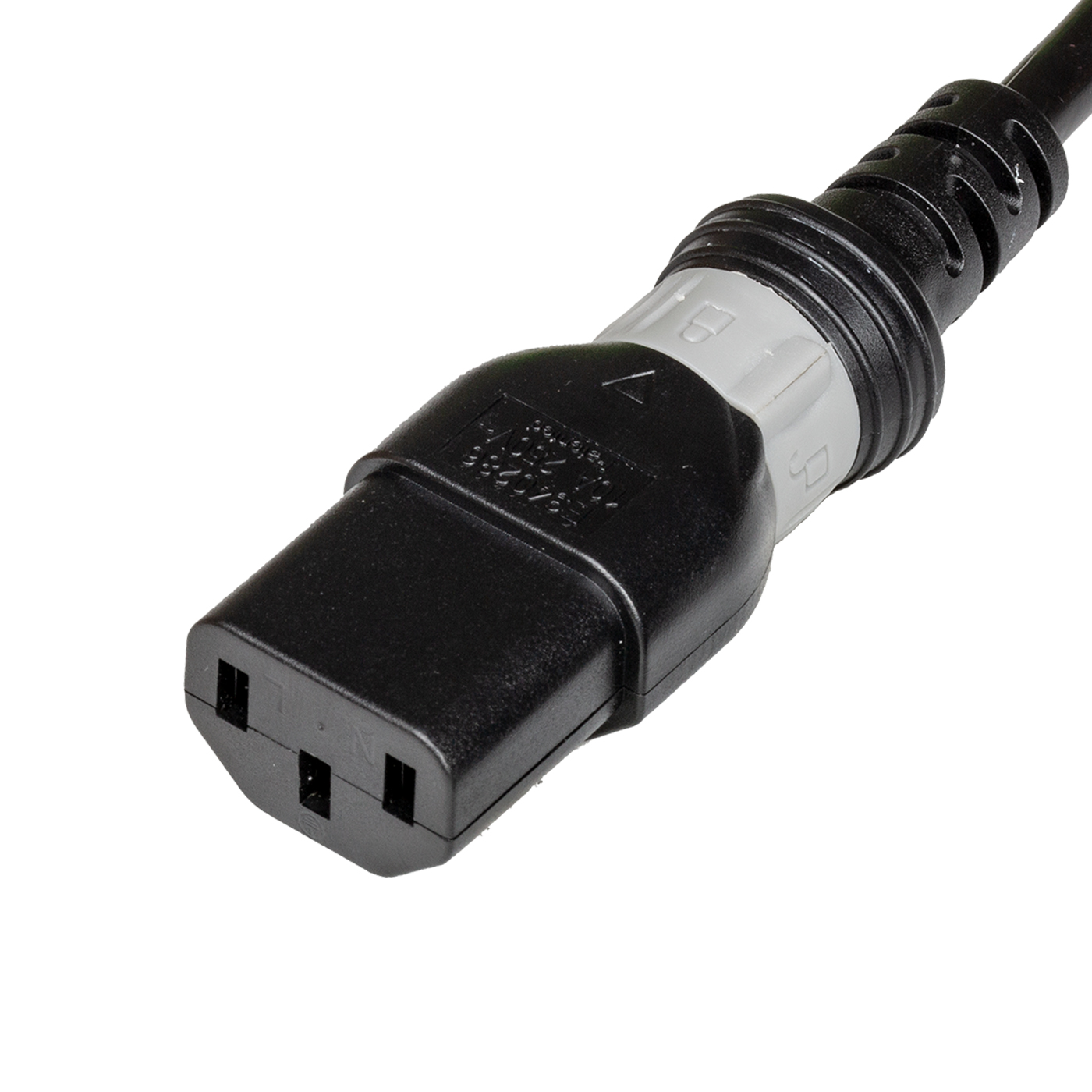
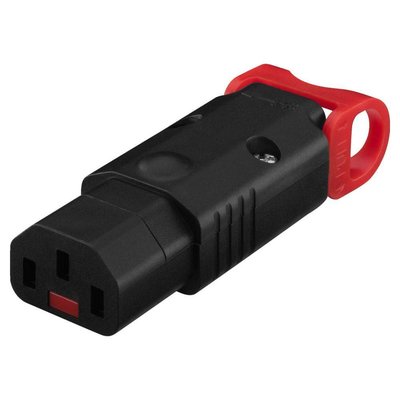
  • C13 / C14 — Most Common · 10A · 250V · 70°C

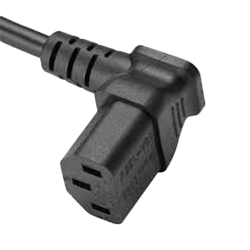
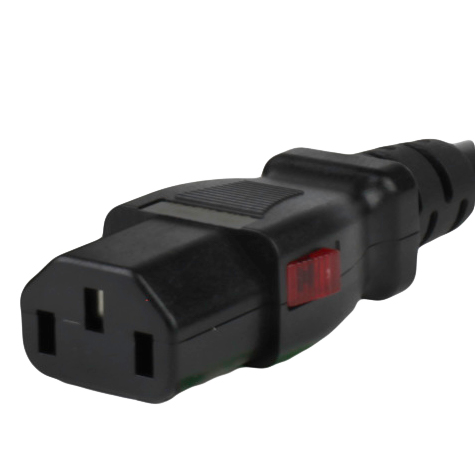
    Server, networking equipment, PDUs — the most widely used connector in IT infrastructure. C13 = female connector (cord end). C14 = male inlet on equipment. The dominant pairing in data center applications. Not suitable for hot-aisle temperatures above 35°C under continuous load above 7A.

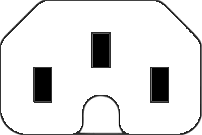
  • C15 / C16 — High-Temp · 10A · 250V · 120°C

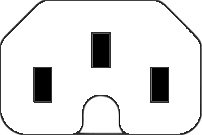
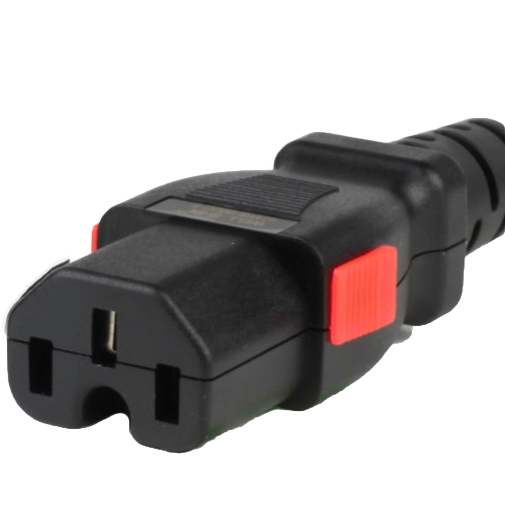
    High-temperature environments — hot-aisle cord runs, high-density switches, routers, PDU inlets. Physically identical to C13/C14 except for a small notch at the bottom of the C15 connector. C15 fits C14 and C16 inlets. Required for Cisco, Juniper, and Arista high-density chassis. Use when ambient exceeds 35°C under load above 7A.

  • C15A / C16A — Extreme-Temp · 10A · 250V · 155°C

    Industrial/appliance applications with extreme ambient temperatures. Uncommon in standard data center applications. Used where ambient temperatures regularly exceed 80°C, such as industrial control enclosures or certain HVAC equipment.

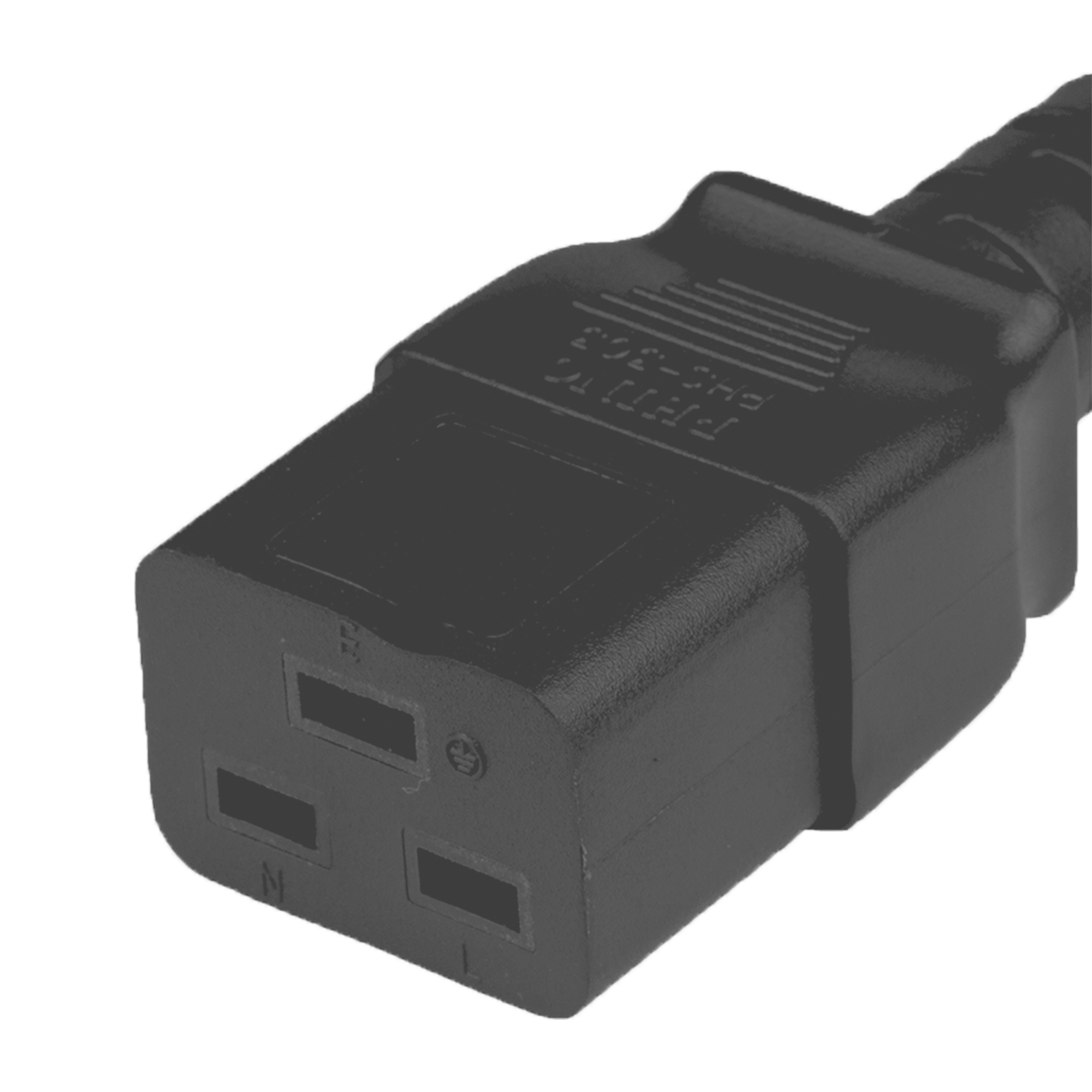
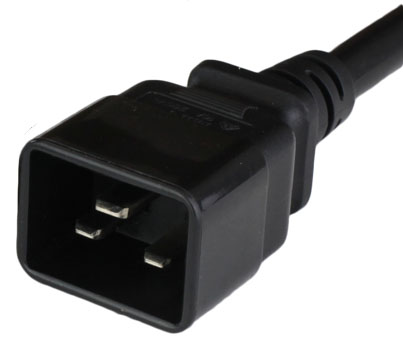
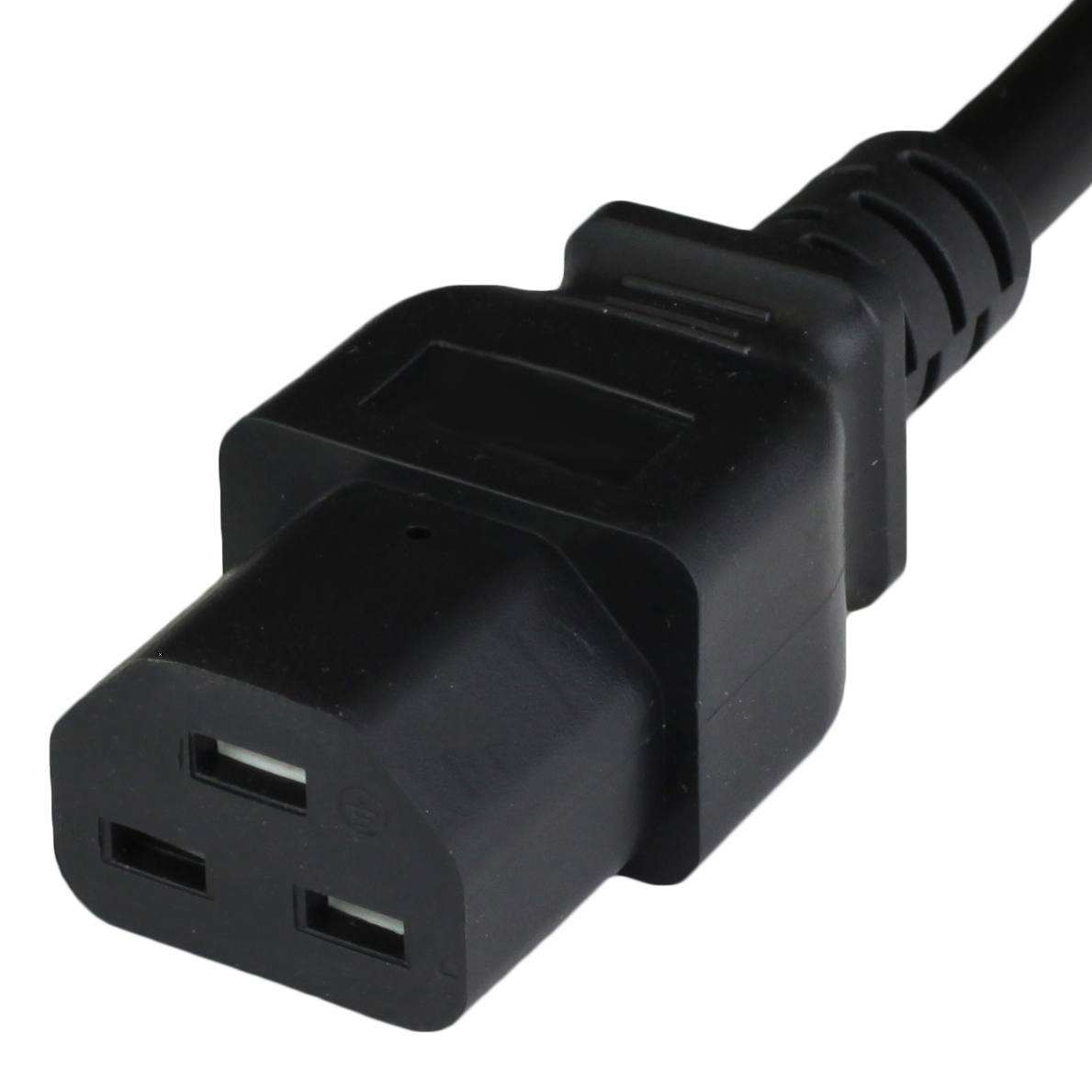
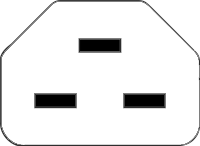
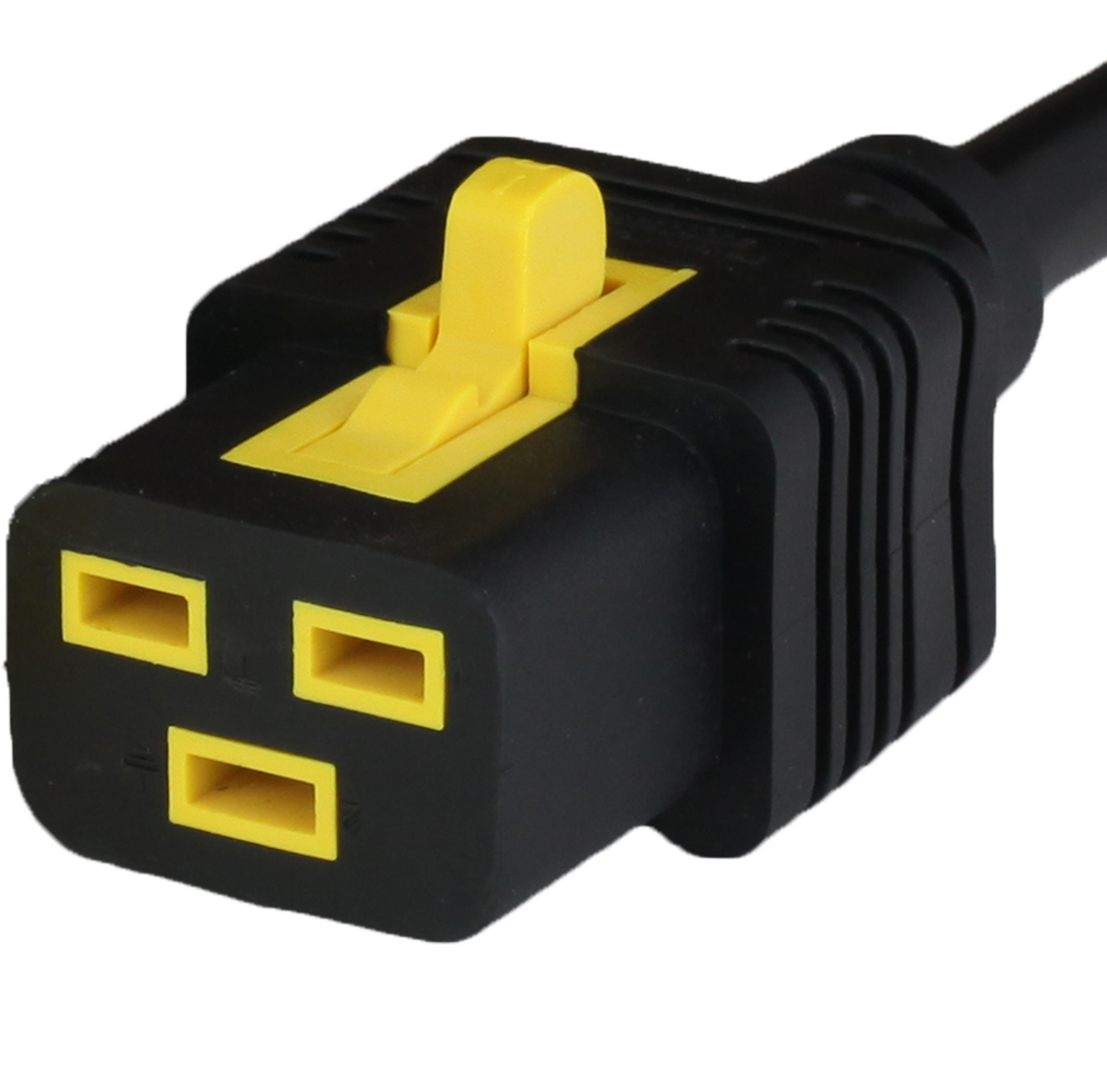
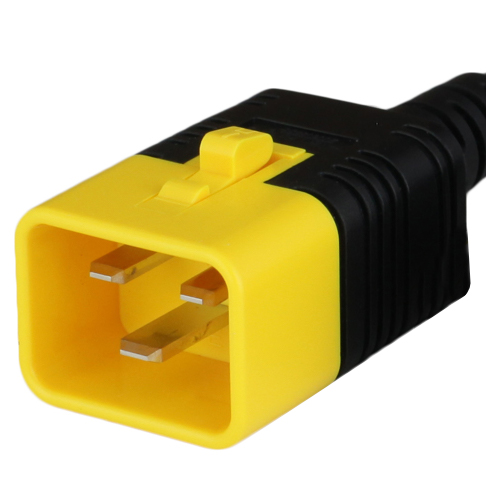
  • C19 / C20 — High Current · 16A · 250V · 70°C

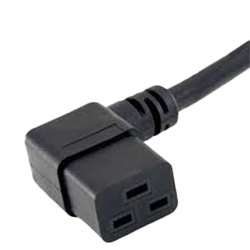
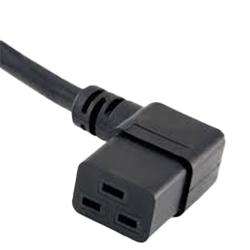
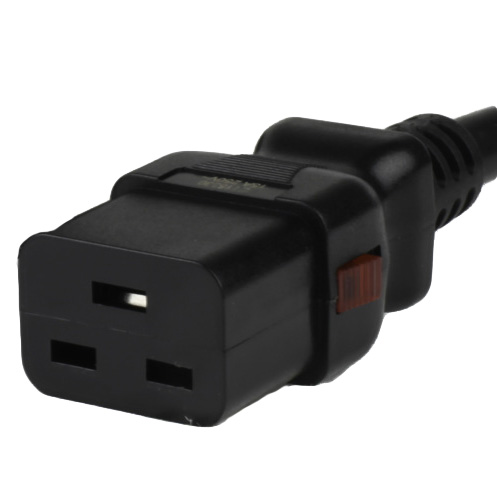
    High-power servers, UPS output connections, PDU feeds, GPU servers drawing 1.5–3 kW per inlet. C19 = female connector. C20 = male inlet. Required for any equipment drawing over 10A. Widely used for PDU-to-UPS connections and high-power 1U/2U servers. Standard for AI accelerator servers including NVIDIA H100 and A100 variants.

  • C21 / C22 — AI Racks · 16A · 250V · 120°C

    High-power, high-temperature — AI server inlets in dense GPU racks, high-load PDU connections in hot-aisle environments. The correct specification for AI compute racks above 30 kW where hot-aisle temperatures exceed 35°C. Combines the 16A capacity of C19/C20 with the 120°C rating of C15/C16.

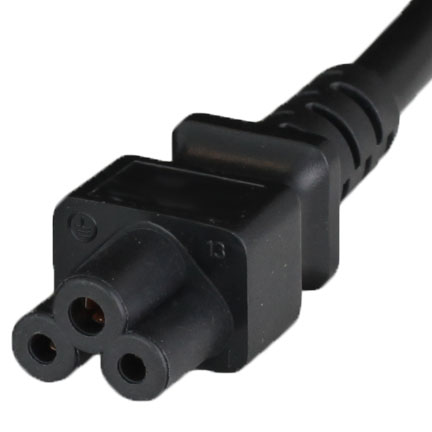
  • C5 / C6 — Consumer · 2.5A · 250V · 70°C

    Laptops, small printers, projectors, consumer electronics. The “mickey mouse” or “cloverleaf” connector. Rarely seen in data center environments except for very small UPS units or KVM accessories.

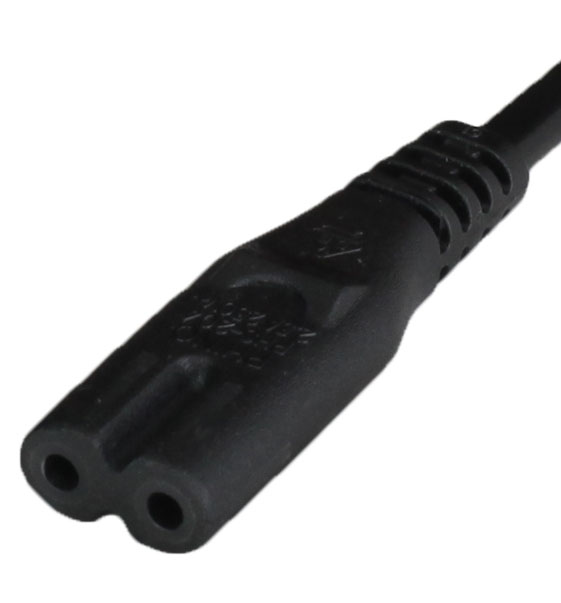
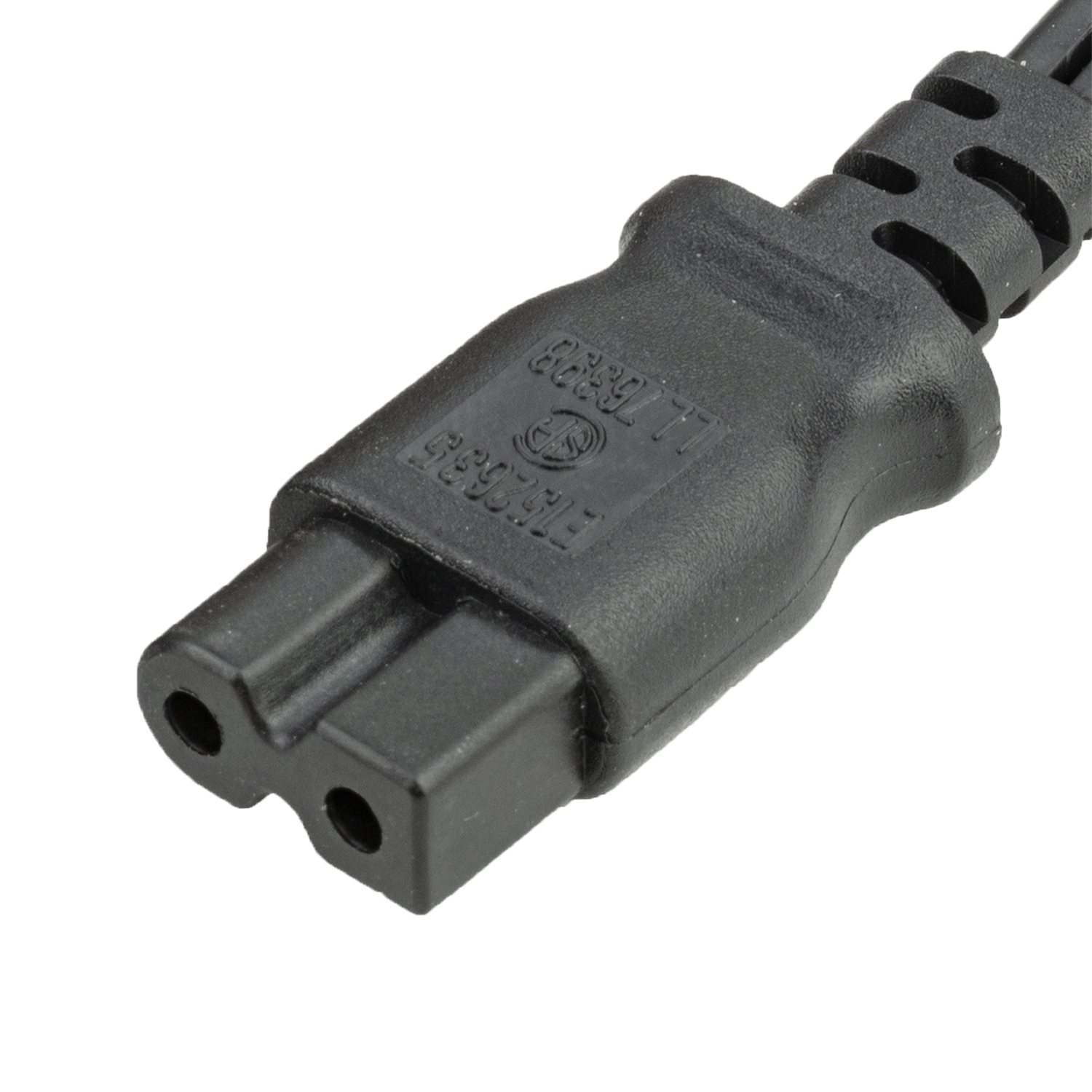
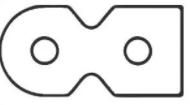
  • C7 / C8 — Consumer · 2.5A · 250V · 70°C

    Laptop power supplies, certain audio/video equipment, small appliances. Figure-8 or “shotgun” connector. The figure-8 shape prevents incorrect insertion. Occasionally used for KVM switch power in small deployments.

Compatibility Matrix

Which plugs fit which inlets. Physical fit does not mean correct specification — always match the temperature and ampacity rating to the application.

Plug (Cord)C14 InletC16 InletC20 InletC22 Inlet
C13 plug✓ Fits✓ Fits
C15 plug⚠ Fits*✓ Fits
C19 plug✓ Fits✓ Fits
C21 plug⚠ Fits*✓ Fits

* Physically fits but the plug has a higher temperature rating than required by the inlet — this is safe. The problem is using a lower-rated plug (C13) in a higher-rated inlet (C16 on hot-aisle equipment). That fits, but is not correct for the application.

Temperature Derating Table

Maximum continuous current capacity decreases as ambient temperature increases. Based on NEC correction factors for 60°C-rated conductors. Apply the 80% rule: multiply derated capacity by 0.80 for continuous loads.

Ambient TempCorrectionC13/C14 (10A rated)C19/C20 (16A rated)Notes
25°C (77°F)1.0010.0A16.0AStandard rated condition
30°C (86°F)0.949.4A15.0AMild hot aisle
35°C (95°F)0.888.8A14.1AWarm hot aisle — C13 marginal above 7A load
40°C (104°F)0.828.2A13.1ATypical containment hot aisle — C15 required for >7A
45°C (113°F)0.757.5A12.0ADense deployment hot aisle — C15/C21 required
50°C (122°F)0.676.7A10.7AHigh-density AI rack hot aisle — C21/C22 required

Source: NEC Table 310.15(B)(2)(a) correction factors applied to IEC 60320 rated capacities. Values shown are maximums before the 80% continuous load rule. For continuous loads, multiply by 0.80.

Application Guide by Rack Density

Standard Density (1–12 kW per rack)

Traditional servers drawing 100–400W each. C13/C14 at 18 AWG or 16 AWG is appropriate for most equipment. Verify load does not exceed 8A per cord with the 80% continuous rule. PDU feeds may be C19/C20 depending on PDU ampacity.

High Density (12–30 kW per rack)

Modern multi-core servers and high-density storage. Individual servers often 500–1000W. C15/C16 for any equipment in hot-aisle-containment environments. C19/C20 for servers with 12–16A inlets. 16 AWG minimum conductors. Locking connectors recommended.

AI/GPU Density (30–132 kW per rack)

NVIDIA H100, A100, and similar AI accelerators. Multiple 2–3 kW power supplies per unit. C21/C22 at 16A for equipment in hot aisles. C19/C20 for cooler environments. 14 AWG or 12 AWG conductors. Locking C19/C21 mandatory to prevent accidental disconnection in critical AI workloads. Thermographic inspection recommended quarterly.

Extreme Density (132–240+ kW per rack)

NVIDIA GB200 NVL72 and next-generation AI clusters. Power distribution at this density typically moves to 480V distribution with per-rack power conversion. Standard IEC 60320 cord infrastructure applies at the server-to-PDU level. Engage power distribution specialists for rack-level infrastructure. All C-series connections should be C21/C22 or C19/C20 at 14 AWG minimum. Liquid cooling proximity requires C21/C22 for all nearby cord runs.

Common Mistakes

Common Specification Mistakes

The five specification errors we see most often — and how to avoid them.

Using C13 in C16 inlets on network equipment

Why it matters: C16 inlets on Cisco, Juniper, and Arista high-density switches indicate the equipment requires C15 cords for safe operation in hot-aisle environments. C13 cords fit but may be inadequate at elevated ambient temperatures.

Fix: Specify C15/C16 cords for all high-density network equipment, regardless of whether C13 physically fits.

Applying rated ampacity without derating for ambient temperature

Why it matters: IEC and UL ratings assume 25°C ambient. Hot aisles in modern data centers routinely exceed 35–45°C, which reduces safe continuous current by 12–25%.

Fix: Apply NEC correction factors for the actual ambient temperature in your hot aisle. Run the calculation before committing to a cord gauge and connector type.

Not applying the 80% continuous load rule

Why it matters: The NEC requires that continuous loads (those expected to run for 3+ hours) not exceed 80% of the circuit ampacity. Most data center equipment runs continuously.

Fix: Size cords so that the actual load is no more than 80% of the derated ampacity. A 10A C13 cord in a 40°C hot aisle derated to 8.2A should carry no more than 6.6A continuously.

Using non-locking connectors in critical single-path systems

Why it matters: Accidental cord disconnection is a leading cause of single-server and small-cluster outages. A cord pull during maintenance, cable management work, or even cleaning can cause downtime.

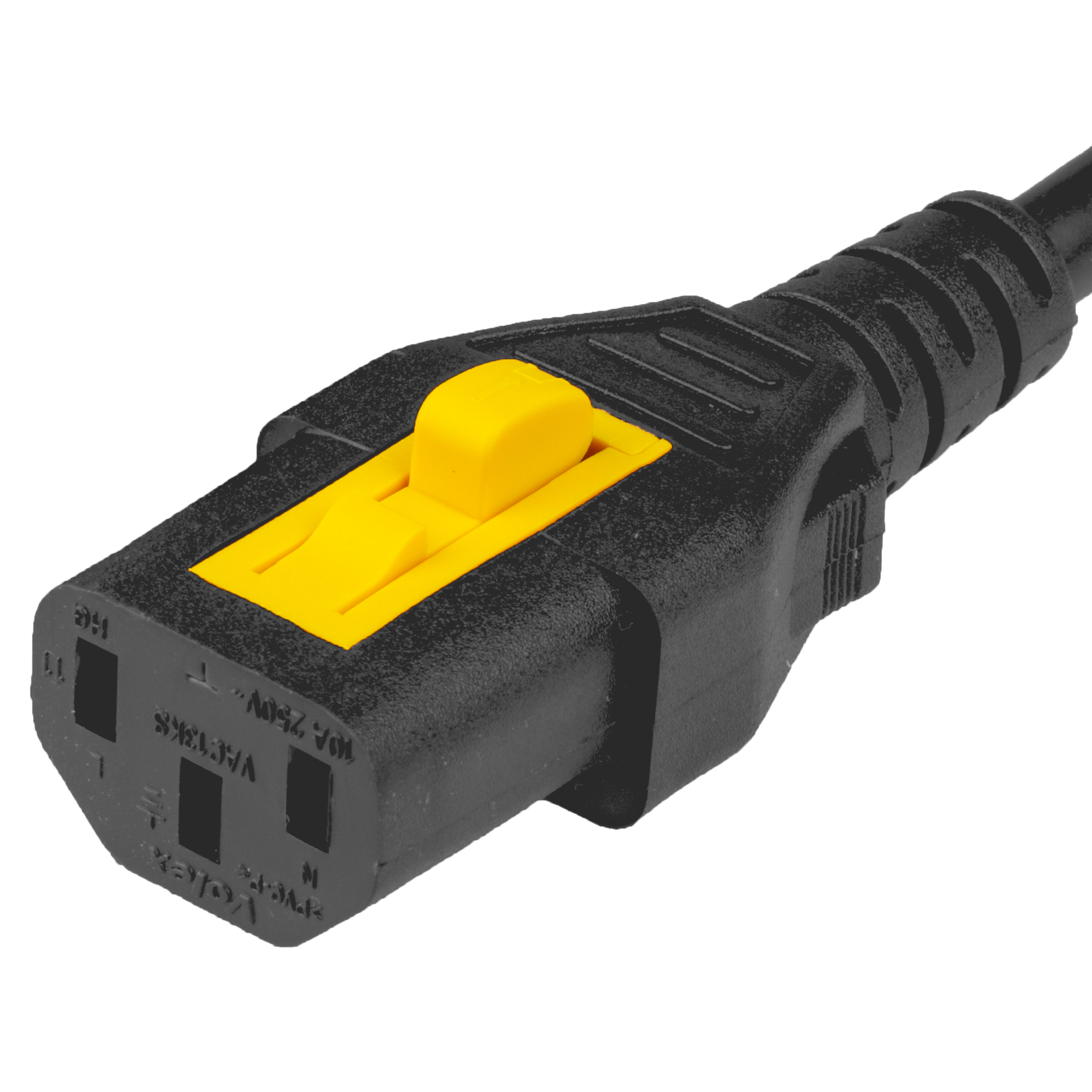
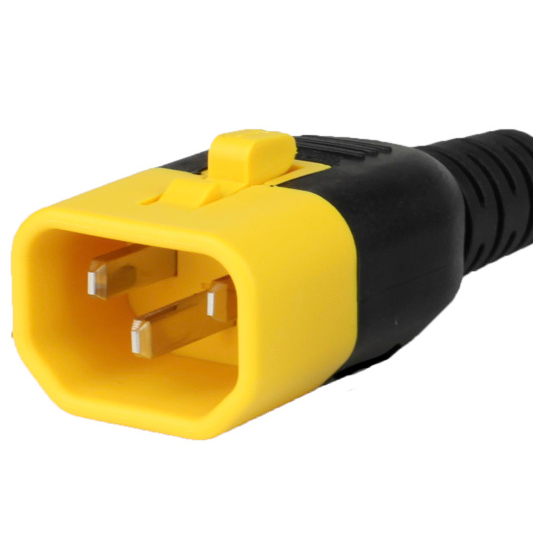
Fix: Use locking connectors (P-Lock, Z-Lock, A-Lock) for any equipment that does not have dual-path redundant power. Verify locking cord compatibility with your PDU model before ordering.

Ordering standard lengths without accounting for installation requirements

Why it matters: A cord that is 2 feet too long does not just look messy — it creates impediments to airflow, makes cable management difficult, and creates tripping hazards during maintenance.

Fix: Measure actual rack-to-PDU distances before ordering. Order cords 6–12 inches longer than the measured distance to allow for routing. Avoid excess length beyond that.

Need IEC 60320 cords for your deployment?

We manufacture the full IEC 60320 family — C13/C14 through C21/C22 — with UL/cUL listing, locking variants, and custom lengths. In stock for same-day shipping.