
International Power Cords
Reference guide:International power connector guide →
185
configurations
Not sure which cord you need?
Answer a few quick questions and we’ll narrow it down for you.
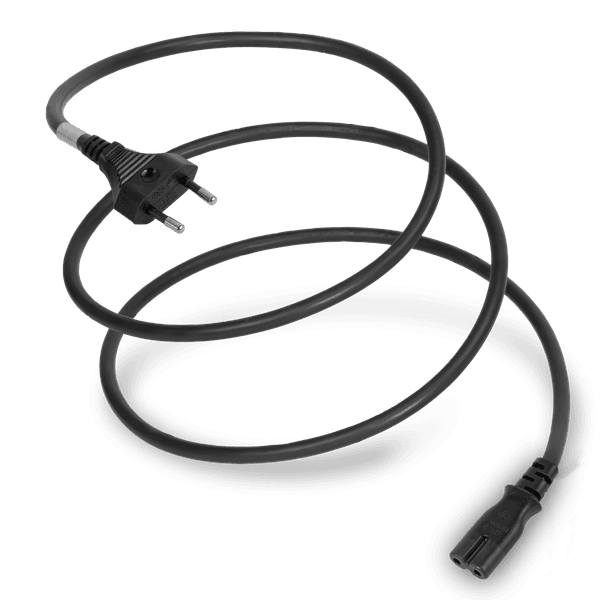 In stock (139)
Length — 6 Feet
Japan JIS8303 2-Pin 1-15P → C7
In stock (122)Length — 6 Feet
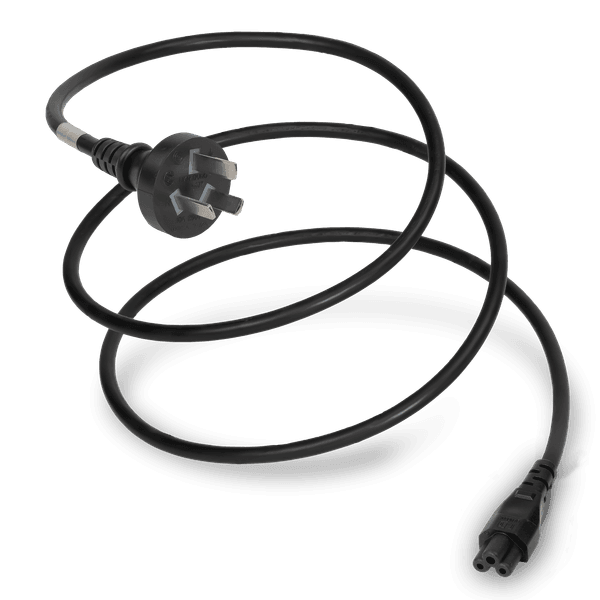 In stock (63)
Length — 6 Feet
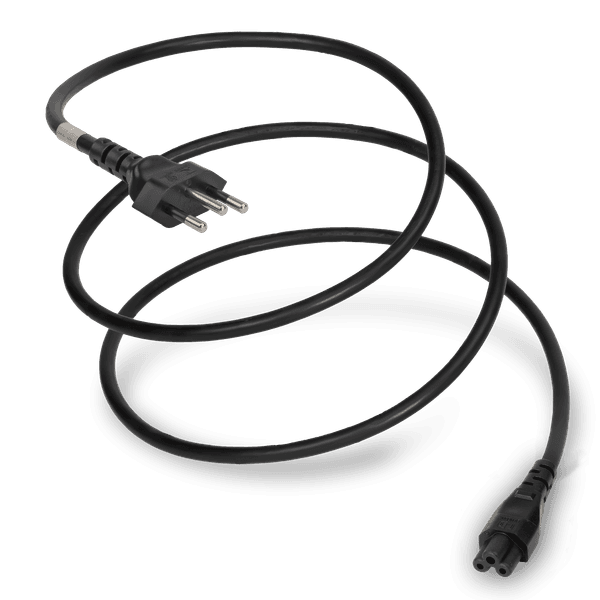 In stock (50)
Length — 6 Feet
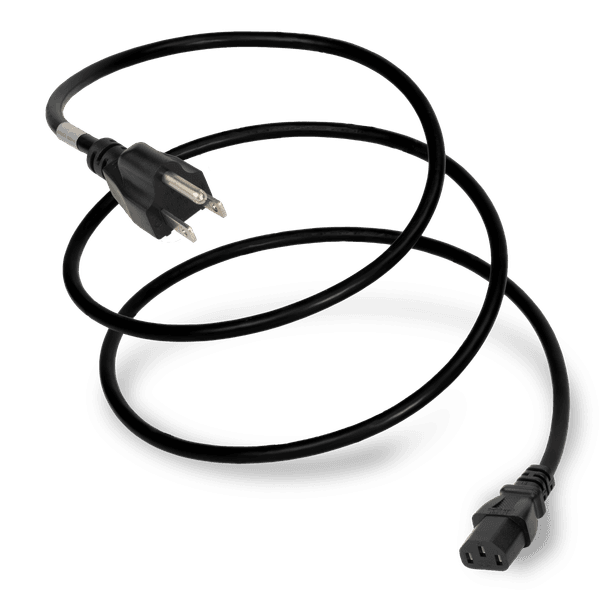 In stock (133)
Length — 2.5 meters
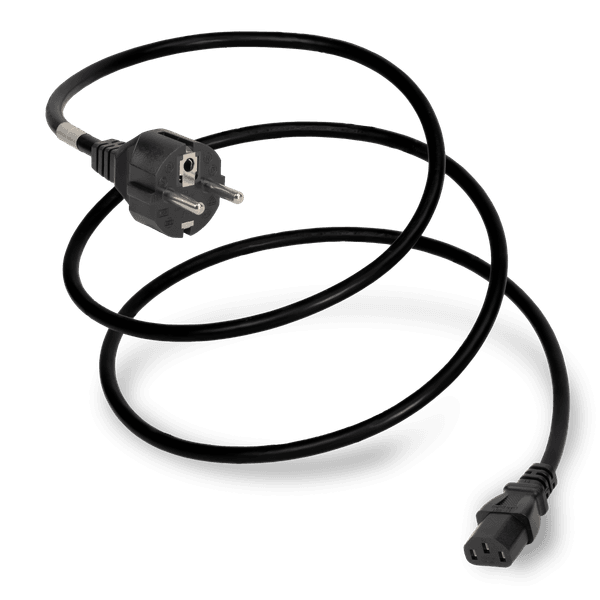 Made to order
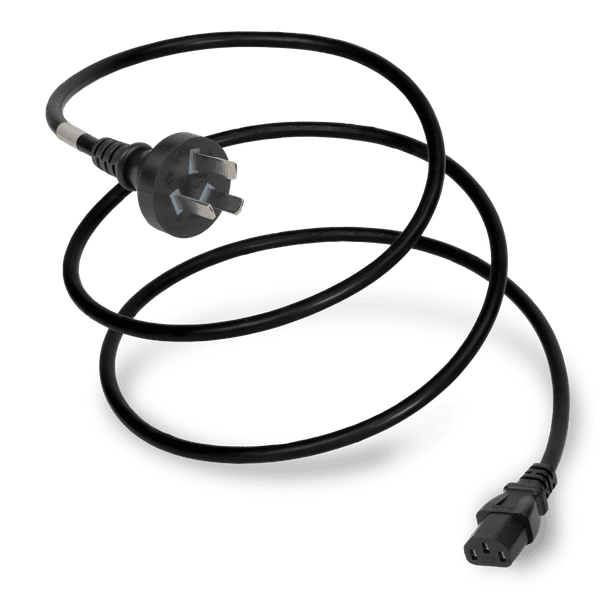 In stock (90)250 voltsArgentina IRAMRoHSREACH
Length — 2.5 meters
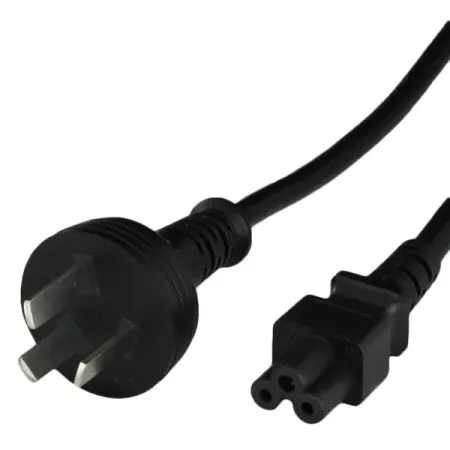 In stock (101)
Length — 6 Feet
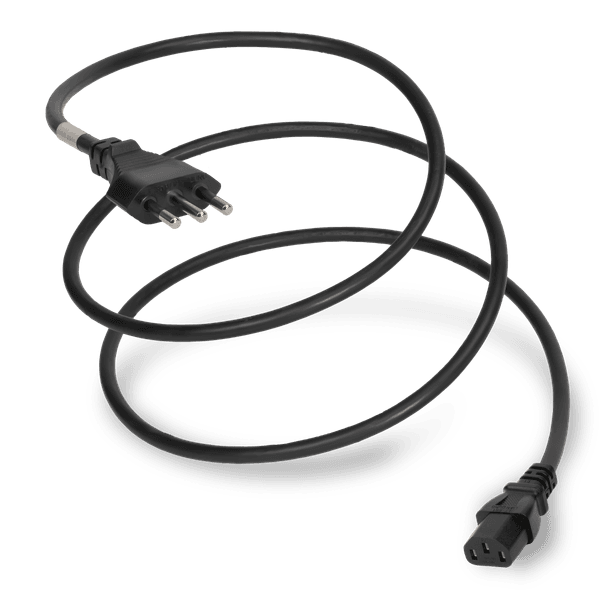 In stock (1)
Length — 2.5 meters
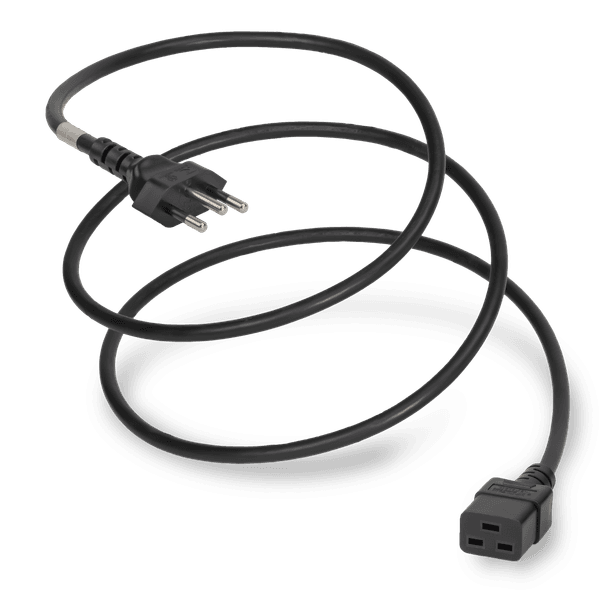 In stock (42)250 voltsINMETROTAA Compliant
Length — 2.5 meters
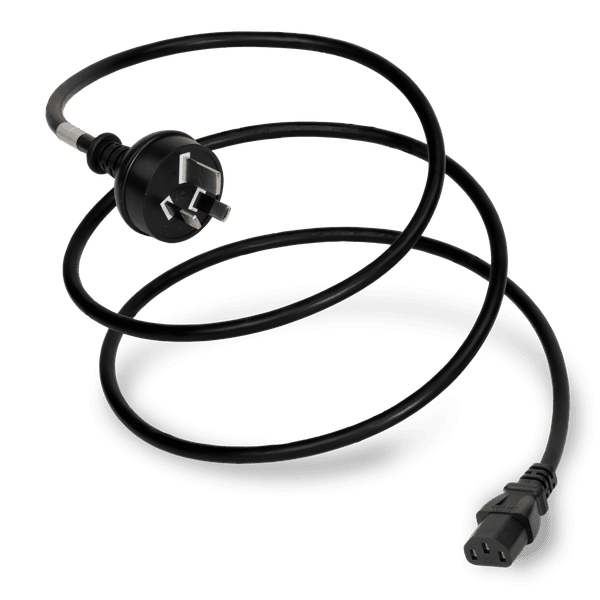 In stock (24)
Length — 2.5 meters
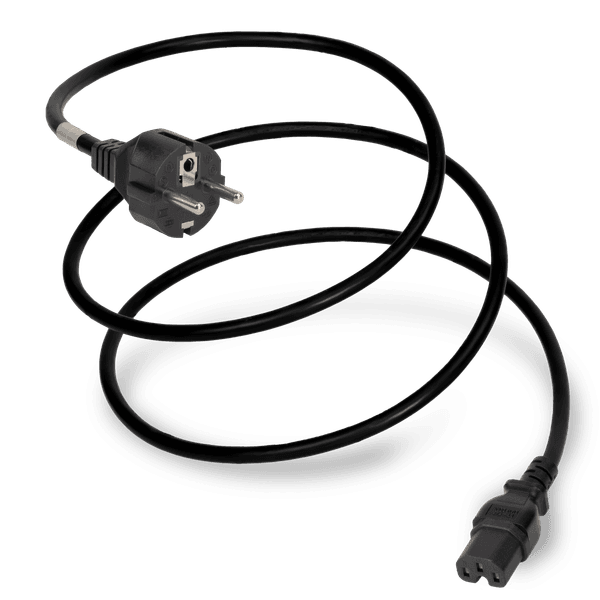 In stock (1)
Length — 2.5 meters
 Made to order
Length — 8 Feet
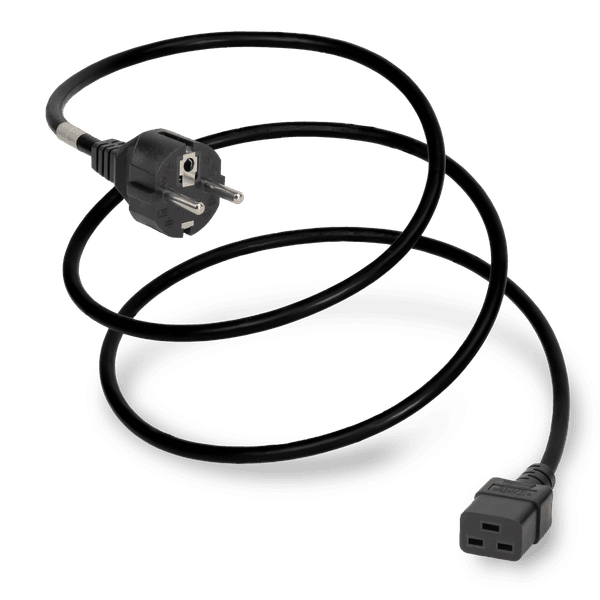 In stock (195)
Length — 10 Feet
- In stock (32)
Length — 10 Feet
 In stock (11)
Length — 2.5 meters
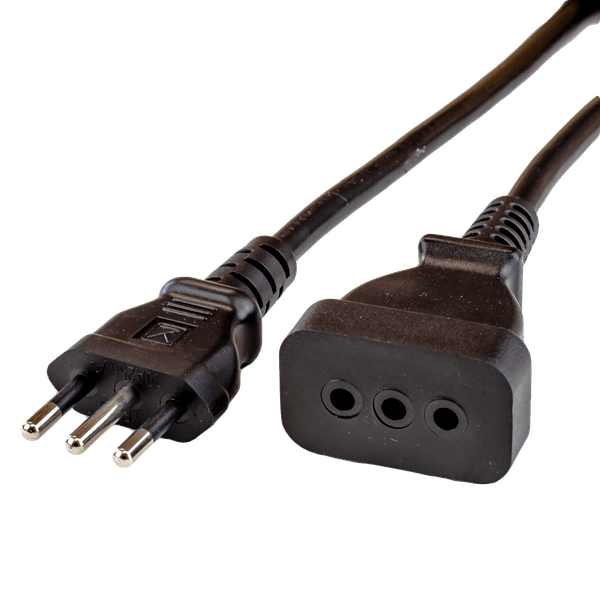 In stock (4)250 voltsIMQRoHS
Length — 25 Feet
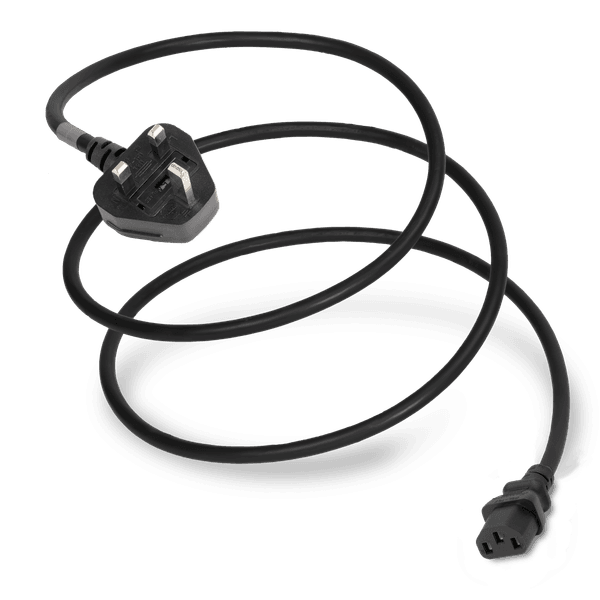 In stock (1,605)
Length — 6 Feet
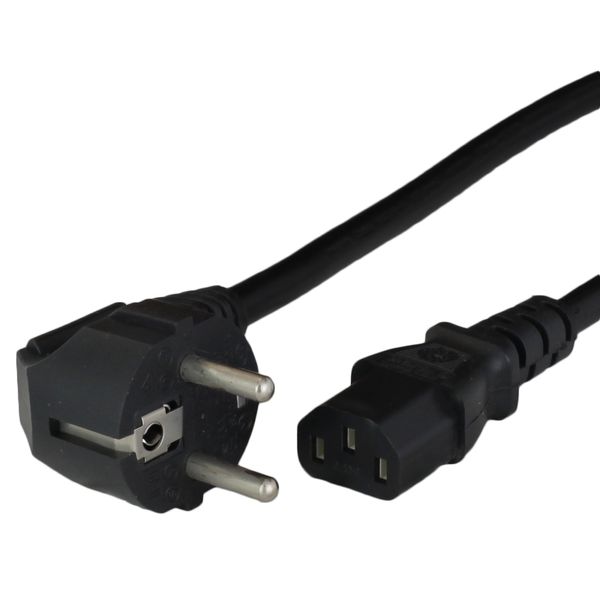 In stock (4)
Length — 6 Feet
- In stock (14)
Length — 1.0 meter
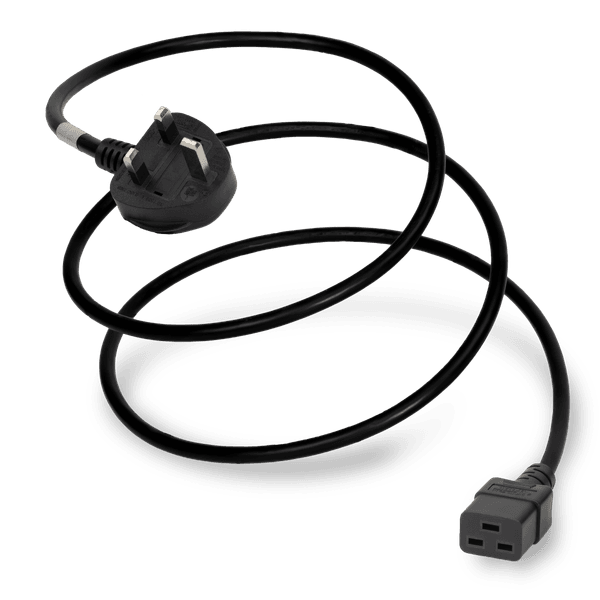 Made to order
Length — 6 Feet
 Made to order250 voltsVDERoHS
Length — 2.0 meters
 In stock (3)
Length — 3.0 meters
 Made to order
 Made to order
Length — 6 Feet
 Made to order
Length — 2.0 meters
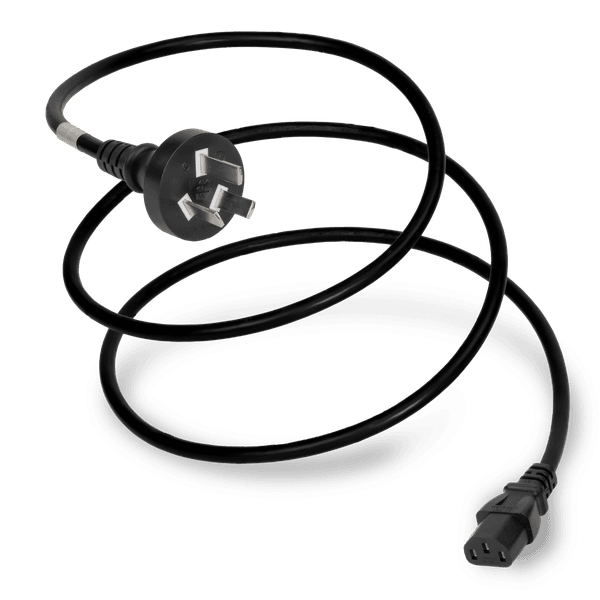 Made to order
Length — 2.5 meters
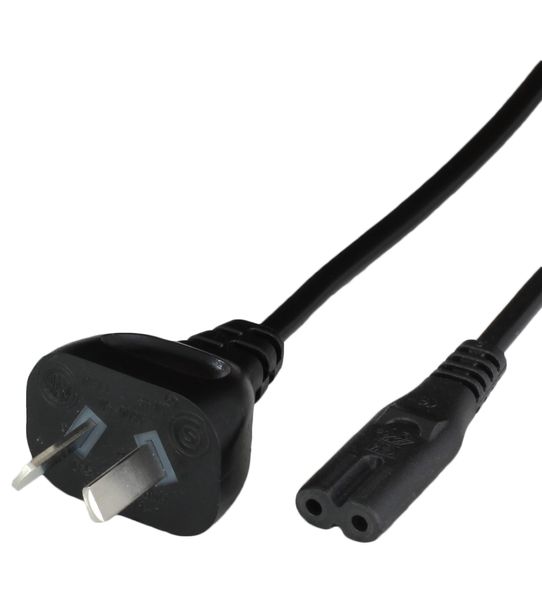 Made to order
Length — 6 Feet
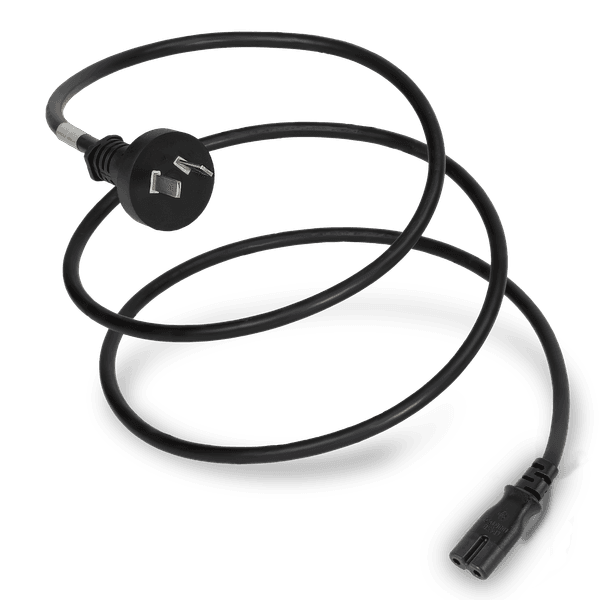 Made to order
Length — 6 Feet
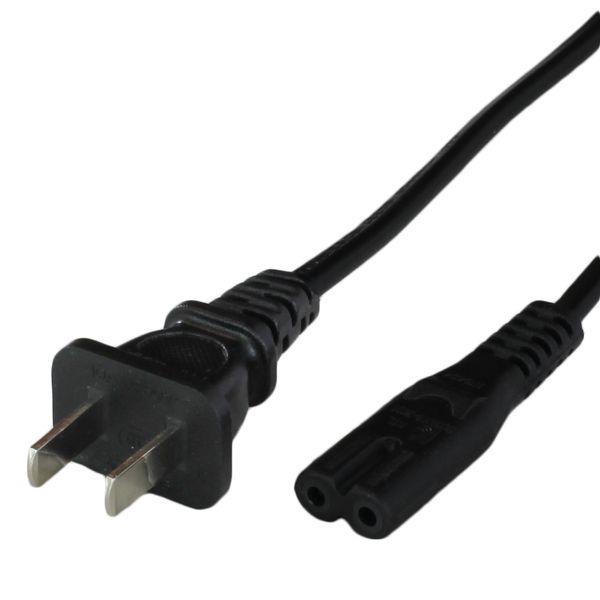 Made to order
Length — 6 Feet
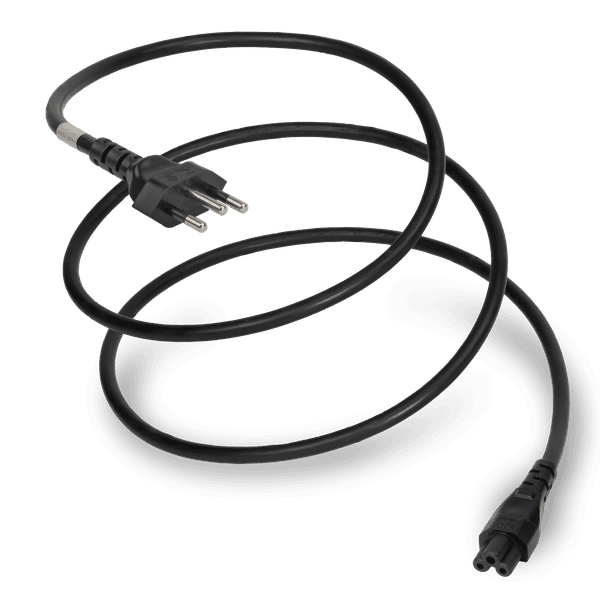 Made to order
Length — 6 Feet
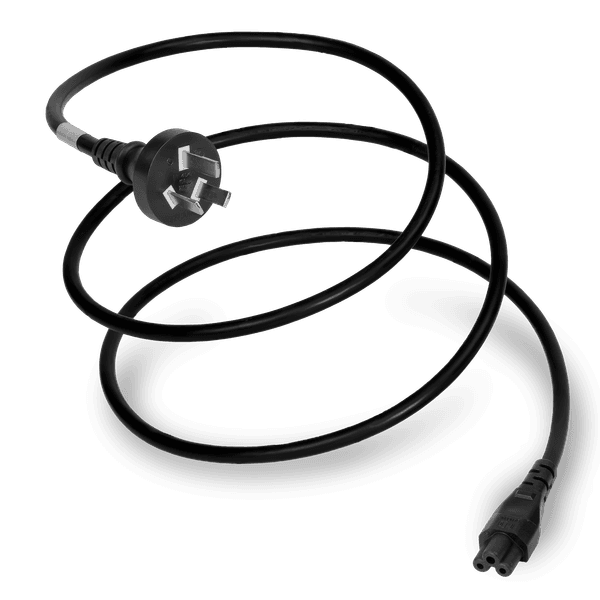 Made to order
Length — 6 Feet
 Made to order
Length — 6 Feet
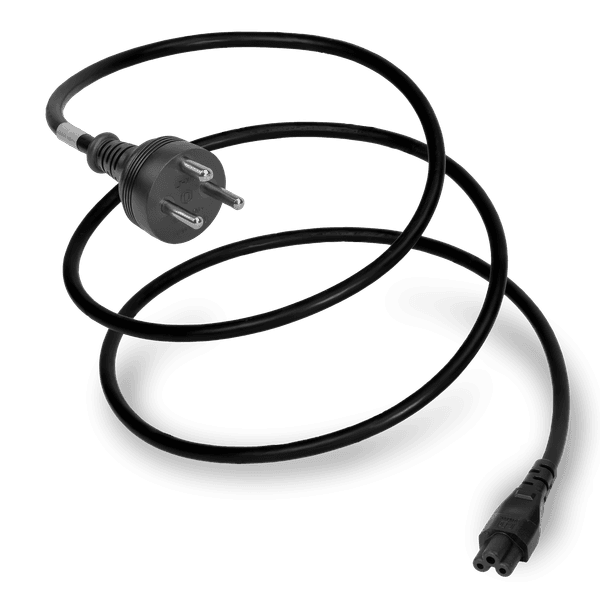 Made to order
Length — 6 Feet
 Made to order
Length — 6 Feet
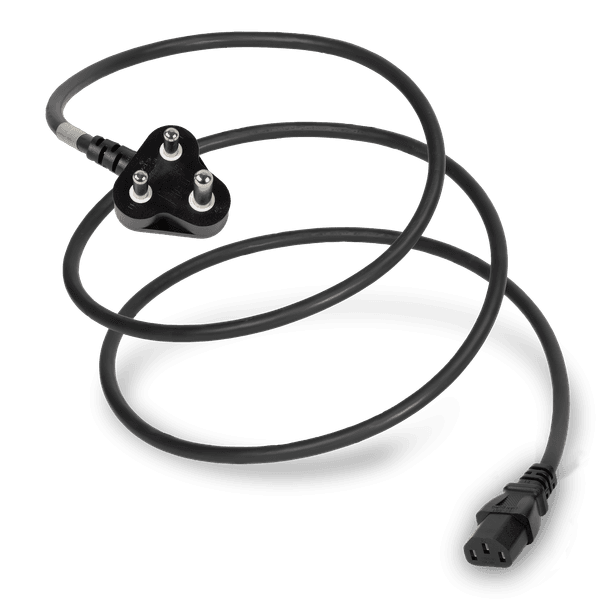 Made to order250 voltsSABSVDEENEC
Length — 6 Feet
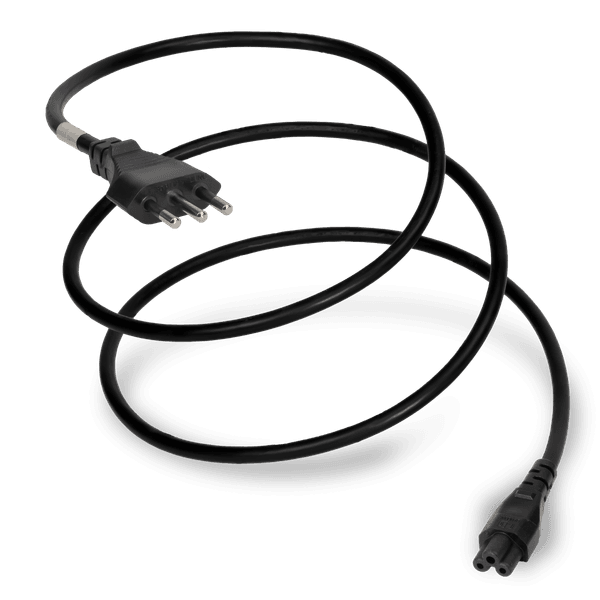 Made to order
Length — 6 Feet
- Made to order
Length — 6 Feet
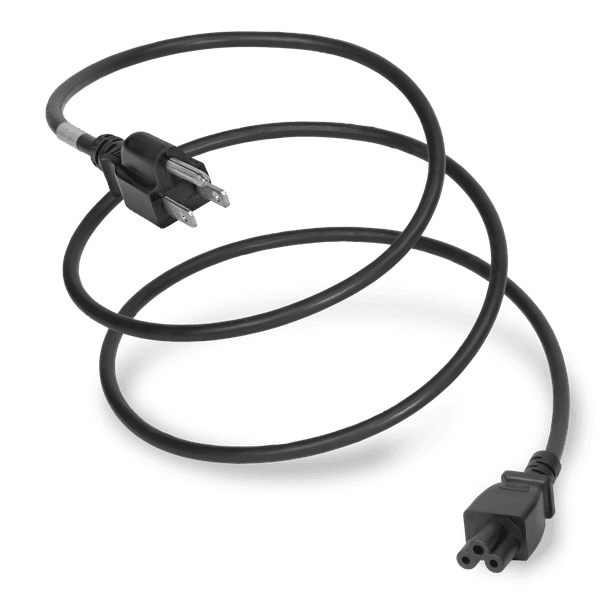 Made to order
Length — 6 Feet
- Made to order
Length — 2.0 meters
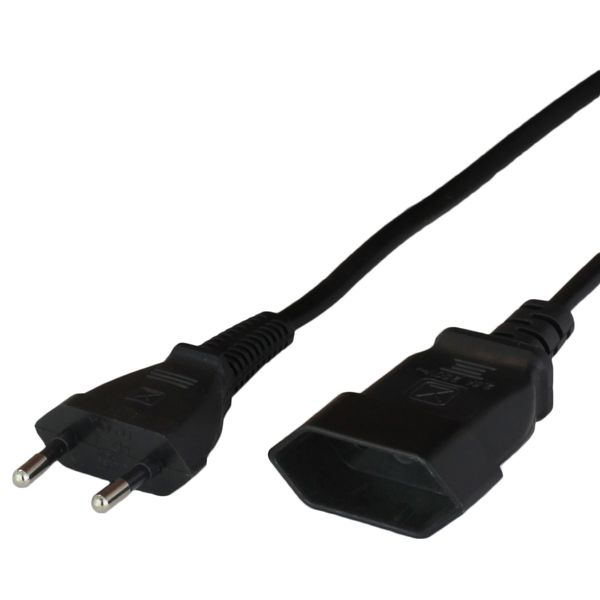 Made to order
Length — 3.0 meters
- Made to order250 voltsSABSCEBECKEMA
Length — 2.5 meters
 Made to order
Length — 2.5 meters
 Made to order
Length — 8 Feet
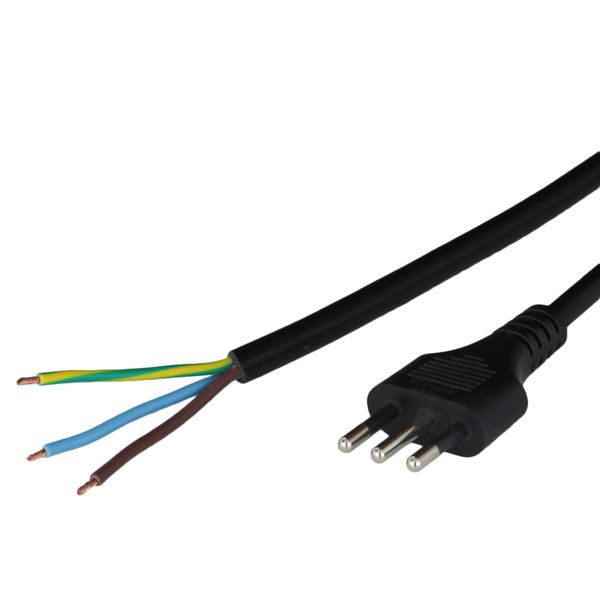 Made to order
Length — 2.5 meters
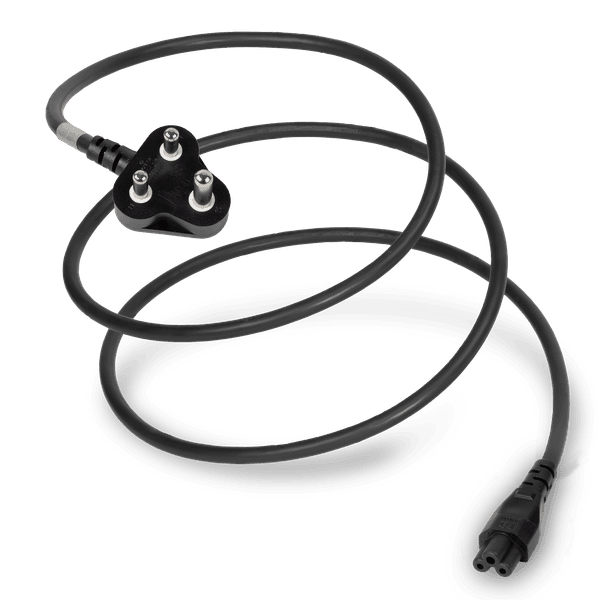 Made to order250 voltsSABSVDEENEC
Length — 6 Feet
- Made to order250 voltsSABSKEMAHKSI
Length — 6 Feet
 Made to order250 voltsSABSRoHS
Length — 6 Feet
- Made to order
Length — 6 Feet
- Made to order
Length — 6 Feet
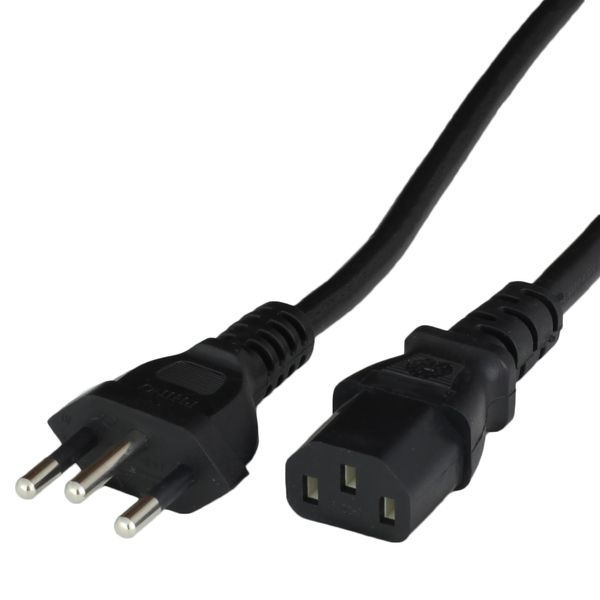 Made to order
Length — 6 Feet
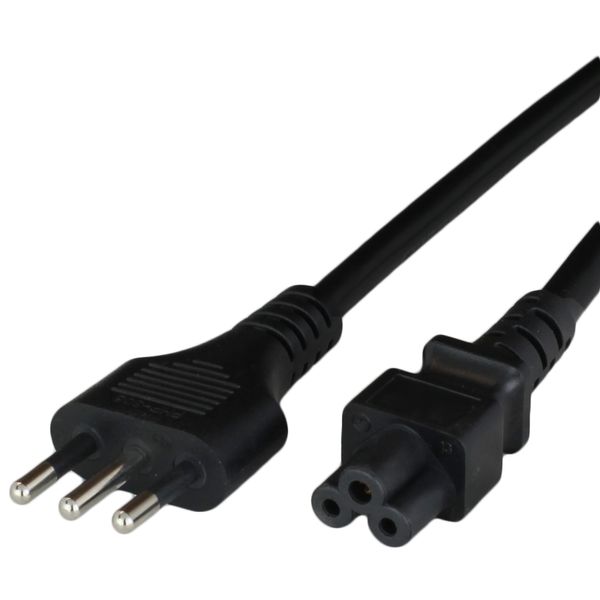 Made to order
Length — 6 Feet
- Made to order
Length — 2.5 meters
- Made to order
Length — 2.5 meters
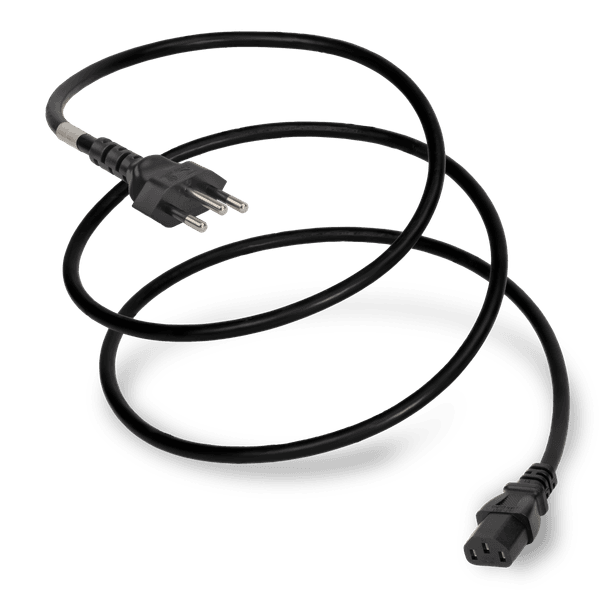 Made to order
Length — 2.5 meters
- Made to order
Length — 2.5 meters
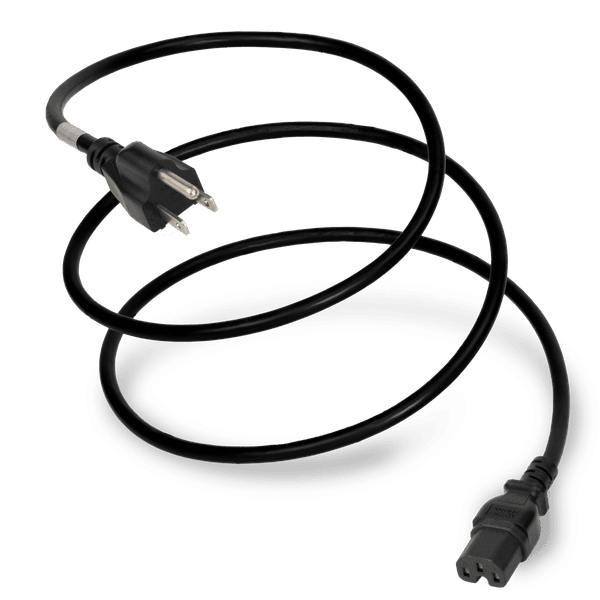 Made to order
Length — 2.5 meters
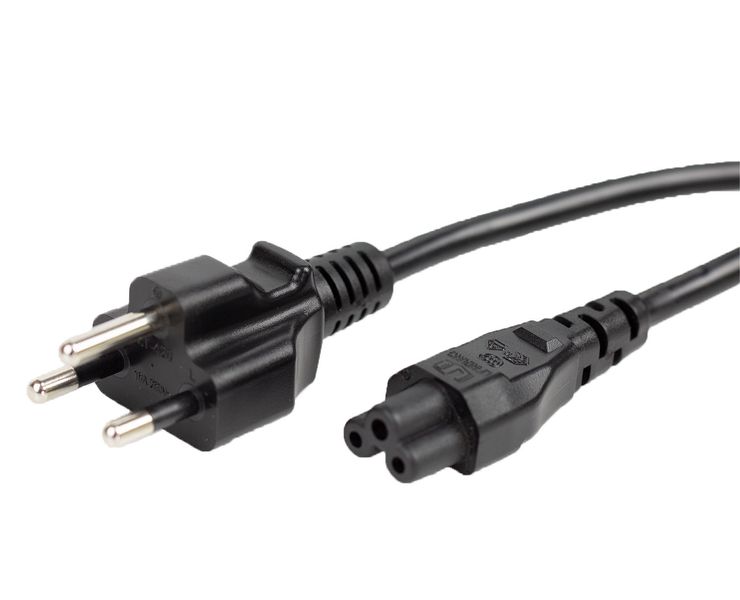 Made to order
Length — 6 Feet
 Made to order
Length — 2.5 meters
 Made to order
Length — 2.5 meters
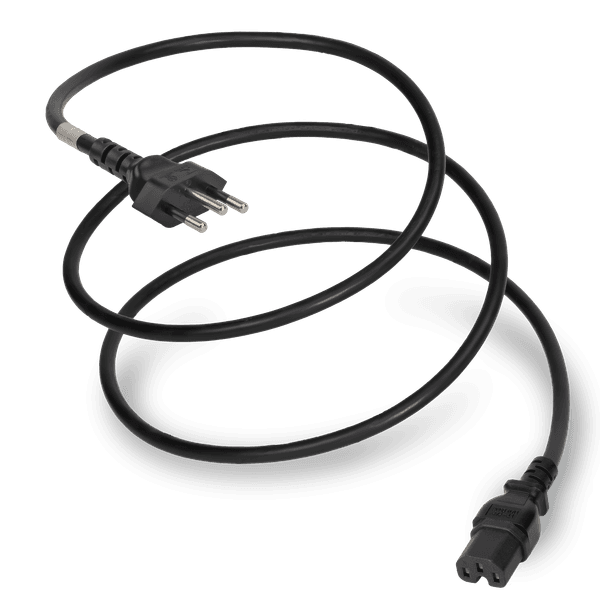 Made to order
Length — 2.5 meters
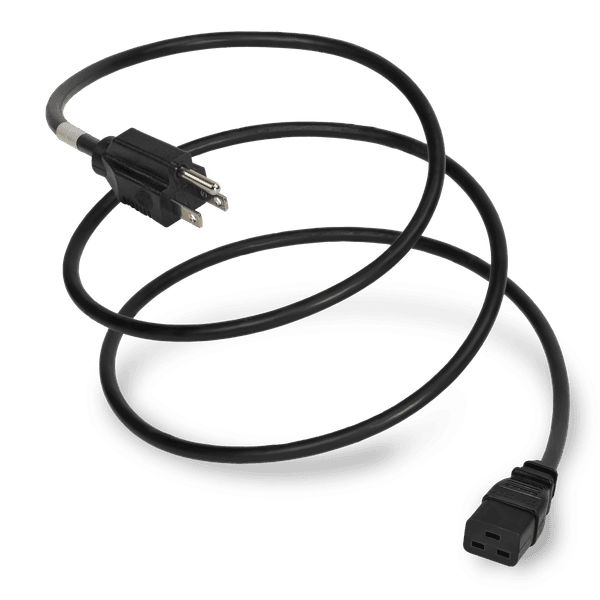 Made to order
Length — 10 Feet
- Made to order
Length — 2.5 meters
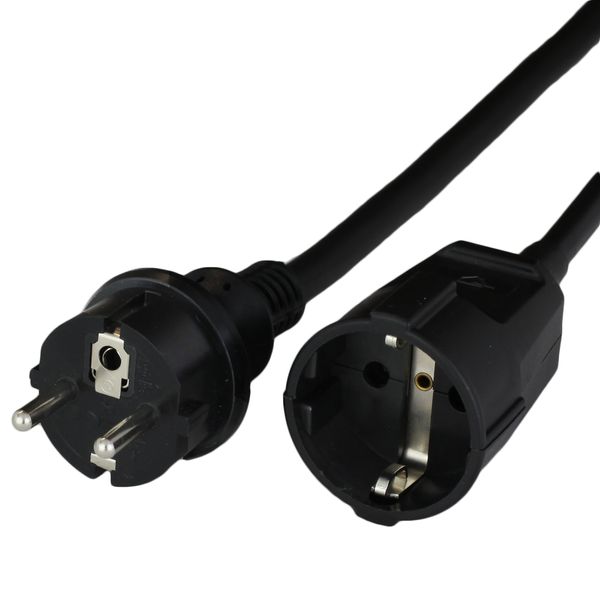 Made to order250 voltsVDERoHS
Length — 2.5 meters
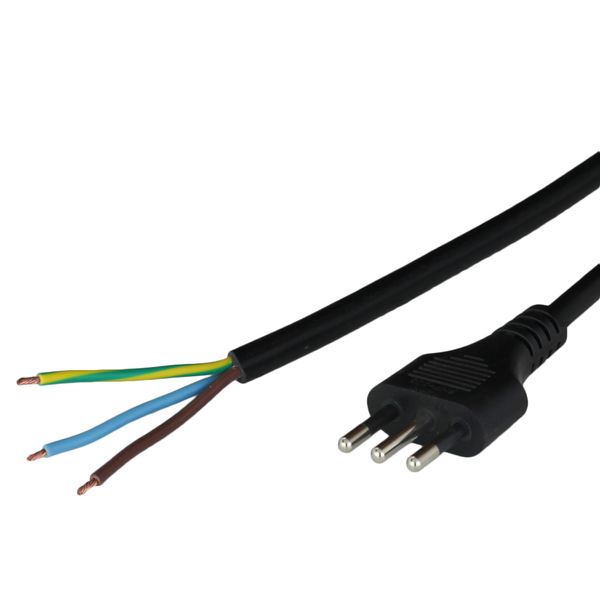 Made to order
Length — 2.5 meters
- Made to order250 voltsINMETRORoHS
Length — 2.5 meters
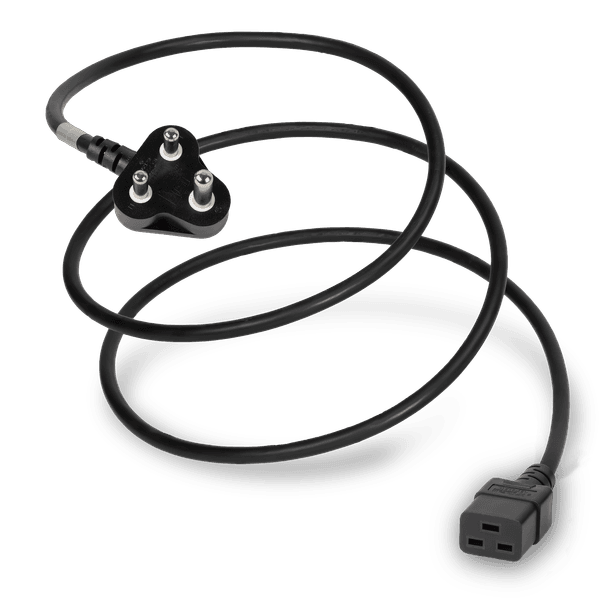 Made to order250 voltsSABSCEBECKEMA
Length — 2.5 meters
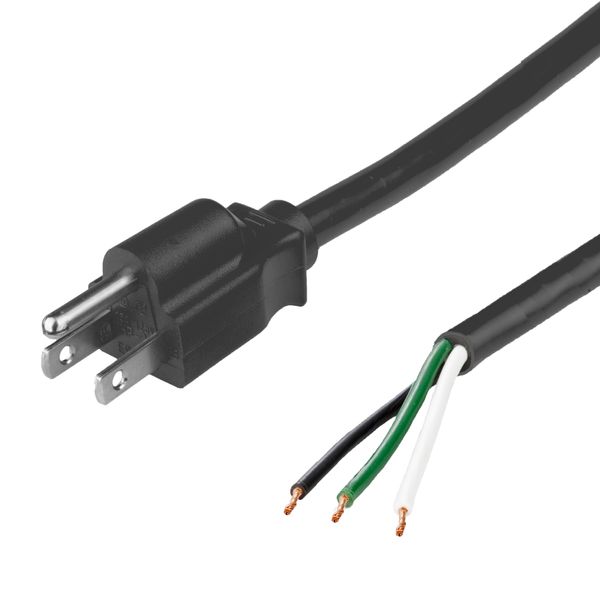 Made to order
Length — 10 Feet
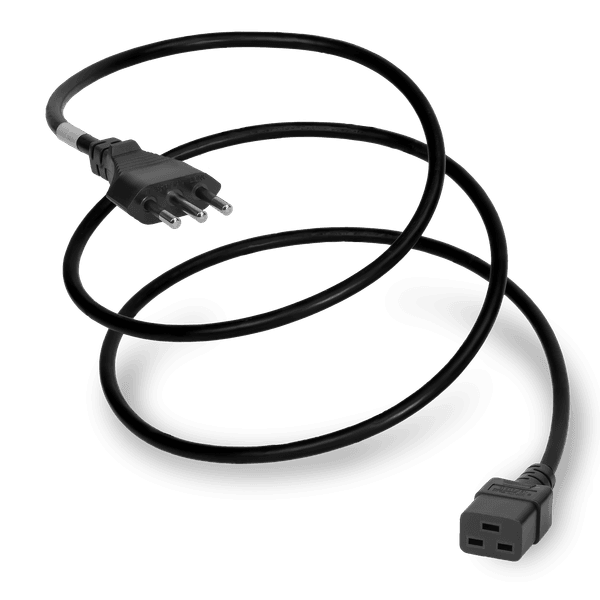 Made to order
Length — 2.5 meters
 Made to order250 voltsRoHS
Length — 1.0 meter
- Made to order250 voltsSABSVDEENEC
Length — 3.0 meters
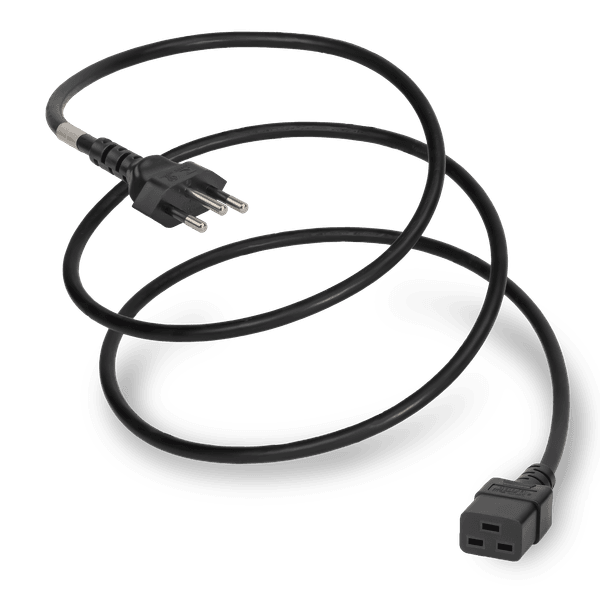 Made to order
Length — 2.5 meters
 Made to order250 voltsComponent ApprovalsRoHS
Length — 1.0 meter
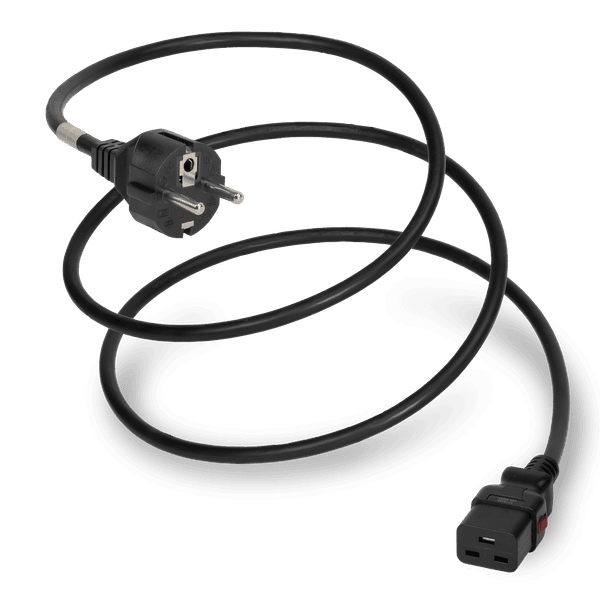 Made to order
Length — 2.5 meters
- Made to order250 voltsComponent ApprovalsRoHS
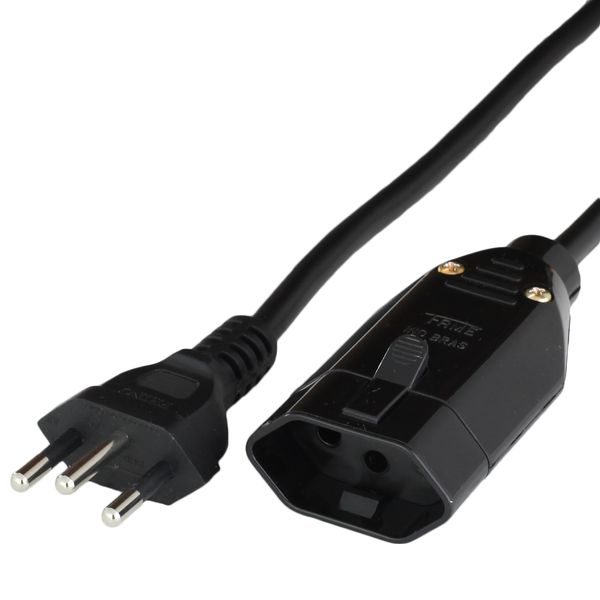 Made to order250 voltsComponent ApprovalsRoHS
Length — 1.0 meter
 Made to order
Length — 3.0 meters
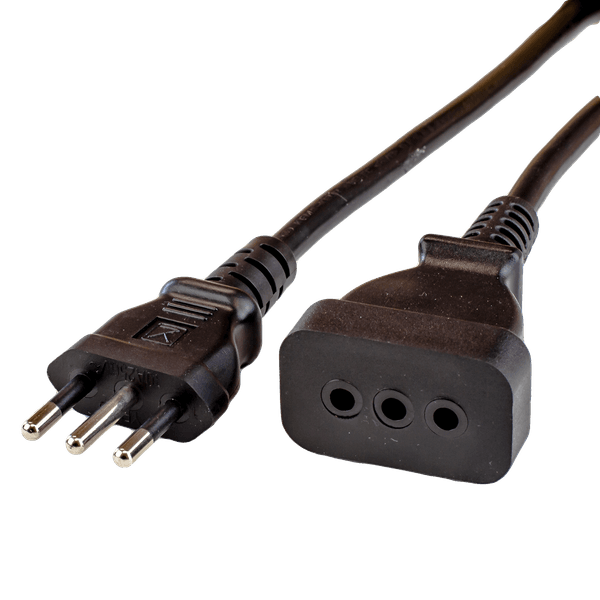 Made to order250 voltsComponent ApprovalsRoHS
Length — 2.5 meters
- Made to order250 voltsComponent ApprovalsRoHS
Length — 1.0 meter
- Made to order250 voltsVDERoHS
Length — 10 Feet
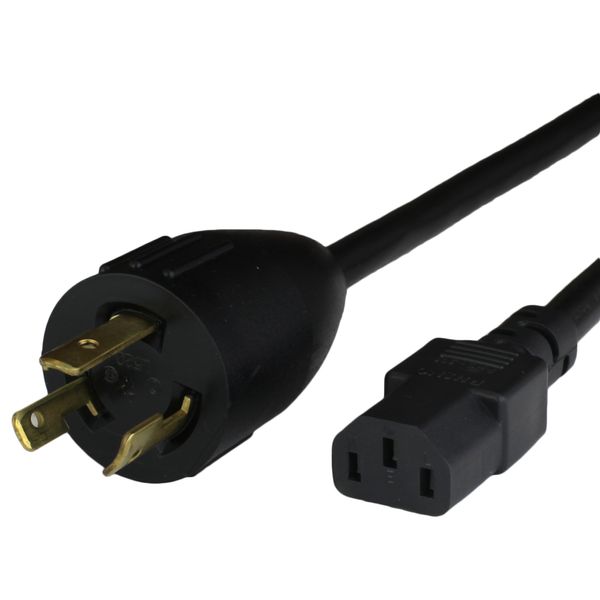 Made to order
Length — 10 Feet
 Made to order
Length — 10 Feet
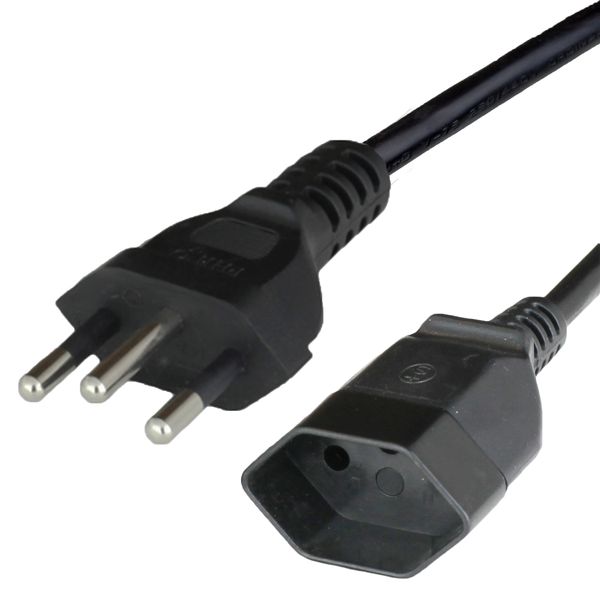 Made to order250 voltsESTIRoHS
Length — 25 Feet
- Made to order
Length — 12 Feet
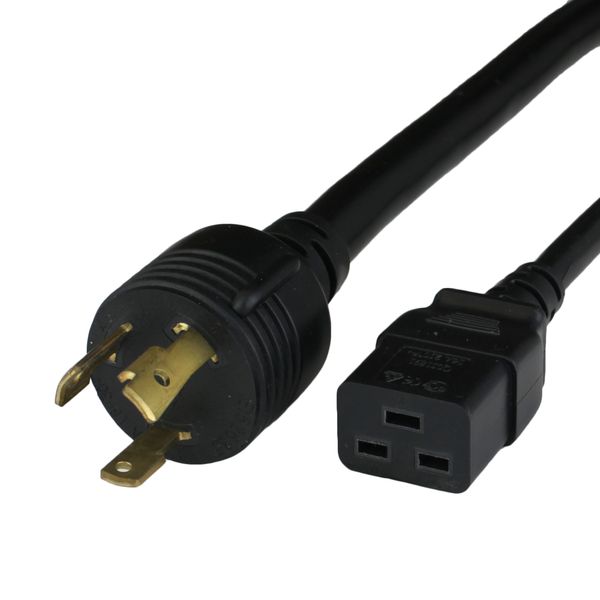 Made to order
Length — 10 Feet
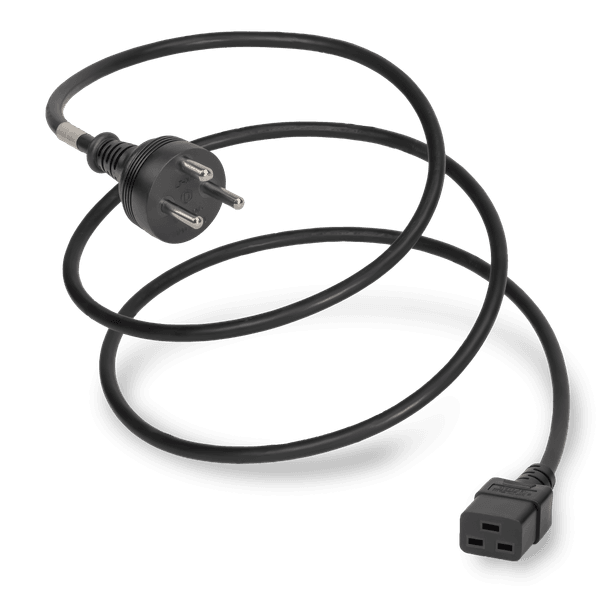 Made to order
Length — 2.5 meters
 Made to order
Length — 3.0 meters
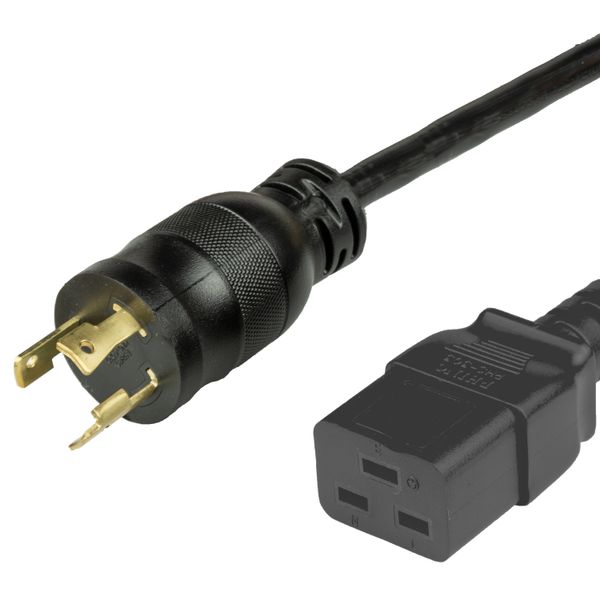 Made to order
Length — 10 Feet
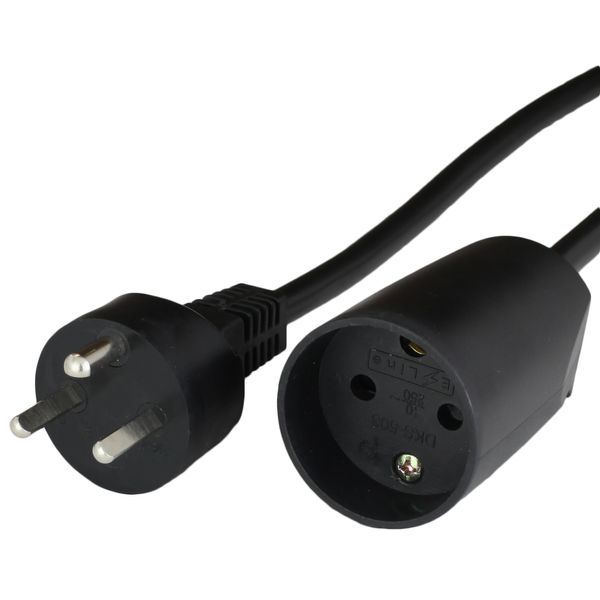 Made to order250 voltsComponent ApprovalsRoHS
Length — 1.0 meter
→
Made to order Made to order250 voltsComponent ApprovalsRoHS
 Made to order
Length — 2.0 meters
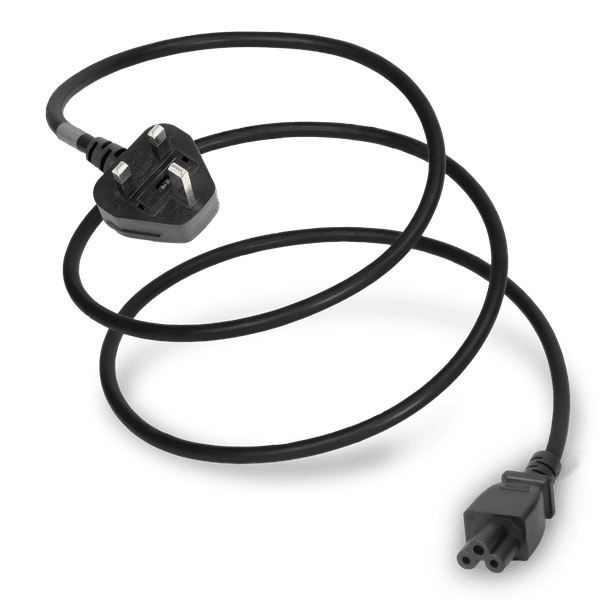 Made to order
Length — 6 Feet
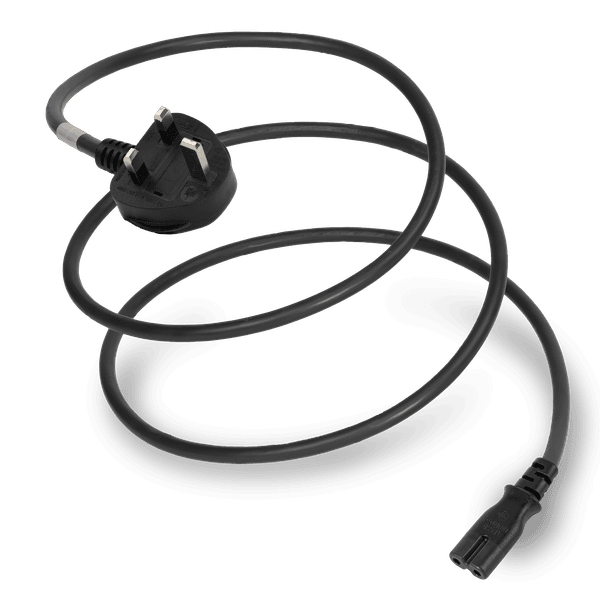 Made to order
Length — 6 Feet
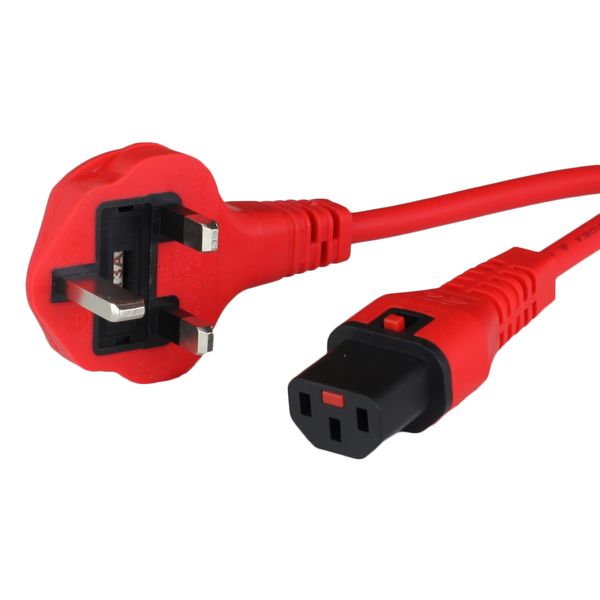 Made to order
Length — 6 Feet
 Made to order
Length — 2.5 meters
 Made to order
Length — 2.5 meters
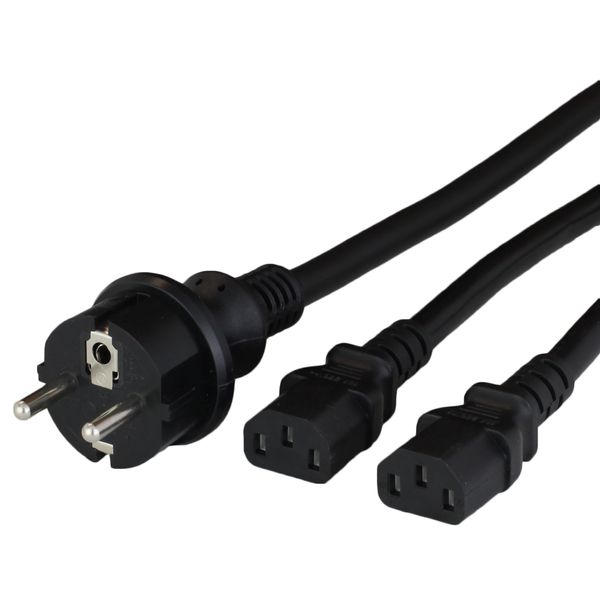 Made to order
Length — 1.0 meter
- Made to order
Length — 6 Feet
-CT-BLK.png) Made to order
Made to orderLength — 1.0 meter
162 part numbers in International Power Cords loaded so far — every color and length, one link each
- CA07-09072Black, 6ft
- CA07-09079Black, 2.0 m
- AJ07-33072Black, 6ft
- IB05-07072Black, 6ft
- NB05-07072Black, 6ft
- BA13-36098Black, 2.5 m
- FC13-01012Black, 1ft
- FC13-01024Black, 2ft
- FC13-01039Black, 1.0 m
- FC13-01048Black, 4ft
- FC13-01060Black, 5ft
- FC13-01072Black, 6ft
- FC13-01079Black, 2.0 m
- FC13-01098Black, 2.5 m
- FC13-01120Black, 3.0 m
- FC13-01180Black, 15ft
- FC13-01196Black, 5.0 m
- FC13-01240Black, 20ft
- TAA-IB13-01098Black, 2.5 m
- IQ05-60072Black, 6ft
- LA13-01098Black, 2.5 m
- LA13-01120Black, 10ft
- TAA-NG19-02098Black, 2.5 m
- IG13-01098Black, 2.5 m
- IG13-01120Black, 3.0 m
- FC15-11098Black, 2.5 m
- IR19-62098Black, 2.5 m
- IR19-02120Black, 3.0 m
- IR00-62098Black, 8ft
- TAA-FC19-02120Black, 10ft
- TAA-FC15-31120Black, 10ft
- IH19-02098Black, 2.5 m
- IH19-02120Black, 3.0 m
- LALC-01300Black, 25ft
- GA13-00072Black, 6ft
- FD13-00072Black, 6ft
- GA13-01039Black, 1.0 m
- GA13-01079Black, 2.0 m
- GA13-01098Black, 2.5 m
- GA13-01120Black, 3.0 m
- GA13-01072Black, 6ft
- GA13-01180Black, 15ft
- GA19-02098Black, 2.5 m
- GA19-02120Black, 3.0 m
- GA19-02072Black, 6ft
- FD19K-02079Black, 2.0 m
- FD19K-02098Black, 2.5 m
- FD19K-02120Black, 3.0 m
- GA00-02120Black, 3.0 m
- IA00-070726ft
- IA00-070242ft
- IA00-070605ft
- IA00-070484ft
- IA00-070391.0 m
- IA00-070363ft
- IA00-070121ft
- IG13-00072Black, 6ft
- FC05-00079Black, 2.0 m
- IQ13-61098Black, 2.5 m
- IQ13-61120Black, 3.0 m
- IA07-07072Black, 6ft
- IF07-07072Black, 6ft
- AC07-09072Black, 6ft
- JA05-07072Black, 6ft
- IG05-07072Black, 6ft
- IQ13-60072Black, 6ft
- KA05-07072Black, 6ft
- JA13-00072Black, 6ft
- MA13-00072Black, 6ft
- LA05-07072Black, 6ft
- LA13-00072Black, 6ft
- BA05-34072Black, 6ft
- FC19-02079Black, 2.0 m
- FC19-02098Black, 2.5 m
- FC19-02120Black, 3.0 m
- CACD-09120Black, 3.0 m
- MA13-01098Black, 2.5 m
- MA13-01120Black, 3.0 m
- NB00-01096Black, 2.5 m
- IQ00-61096Black, 8ft
- LA00-01098Black, 2.5 m
- MA05-01072Black, 6ft
- MA05-07072Black, 6ft
- MA07-07072Black, 6ft
- MA07-09072Black, 6ft
- BA13-34072Black, 6ft
- NB13-00072Black, 6ft
- LA05-00072Black, 6ft
- NB13-01098Black, 2.5 m
- NB13-01120Black, 3.0 m
- IB13-01098Black, 2.5 m
- JA13-01098Black, 2.5 m
- JA13-01120Black, 3.0 m
- BA13-35098Black, 2.5 m
- BA15-35098Black, 2.5 m
- OA05-00072Black, 6ft
- IB15-01098Black, 2.5 m
- KA13-01098Black, 2.5 m
- KA13-01120Black, 3.0 m
- JA15-01098Black, 2.5 m
- BA19-35120Black, 10ft
- BA19-36098Black, 2.5 m
- FCFE-01098Black, 2.5 m
- LD00-02098Black, 2.5 m
- NG19-02098Black, 2.5 m
- NG19-02120Black, 3.0 m
- MA19-02098Black, 2.5 m
- BA00-35120Black, 10ft
- LD19-02098Black, 2.5 m
- LD19-02120Black, 3.0 m
- IBIC-01039Black, 1.0 m
- IBIC-01060Black, 1.5 m
- IBIC-01079Black, 2.0 m
- IBIC-01098Black, 2.5 m
- IBIC-01120Black, 3.0 m
- IBIC-01196Black, 5.0 m
- MA19-02120Black, 3.0 m
- JB19-02120Black, 3.0 m
- JB19-02098Black, 2.5 m
- MAMC-02039Black, 1.0 m
- FC19K-02098Black, 2.5 m
- FCFE-02039Black, 1.0 m
- FCFE-021200.111Black, 100ft
- FCFE-02300Black, 25ft
- FCFE-02360Black, 30ft
- NBNE-01039Black, 1.0 m
- NBNE-01060Black, 1.5 m
- NBNE-01079Black, 2.0 m
- NBNE-01098Black, 2.5 m
- NBNE-01120Black, 3.0 m
- NBNE-01196Black, 5.0 m
- JA00-01120Black, 3.0 m
- LDLC-02098Black, 2.5 m
- IGII-01039Black, 1.0 m
- FCFE-02120Black, 10ft
- BB13-36120Black, 10ft
- BC13-36120Black, 10ft
- JAJC-01300Black, 25ft
- FC19-67144Black, 12ft
- BE19-37120Black, 10ft
- KA19-02098Black, 2.5 m
- IB19-02120Black, 3.0 m
- BD19-37120Black, 10ft
- KAKC-02039Black, 1.0 m
- GAHBA-42036-400Black, 3ft
- NGNJ-02300Black, 25ft
- NGNJ-02600Black, 50ft
- NGNJ-021200Black, 100ft
- FC13L-01079Black, 2.0 m
- FC13L-01098Black, 2.5 m
- GA05-00072Black, 6ft
- GA05-00079Black, 2.0 m
- GA07-09072Black, 6ft
- GA07-09079Black, 2.0 m
- GA13K-01072.555Red, 6ft
- IQ13R-61098Black, 2.5 m
- IQ13L-61098Black, 2.5 m
- FC13(2)-01039Black, 1.0 m
- FC13(2)-01079Black, 2.0 m
- GA13-02072Black, 6ft
- GA13(2)-01039Black, 1.0 m
- GA13(2)-01079Black, 2.0 m
About International Power Cords
Difference between international plug types
There are a handful of standard electrical power outlets that are uniquely specified by local standards and approvals. These power plug configurations are classified by “Type”, and all will have similar dimensional specs no matter where they are used in the world. Most plugs will be used in several different countries, which will change the power rating and the “standard” it was built to but they will still be identical in appearance. It is not recommended to use power cords in a country they were not approved for, because the manufacturer has designed the cable with considerations of the supply voltage of 1 country that may not be suitable or universal with the country you plan to bring it to.
IEC socket types and how they are rated around the world.
The IEC plug types are used around the world, and their voltages and amperage rating changes based on where they are being used. This is due to local electrical safety, and the different distribution voltages and frequencies supplied around the world. To learn more about this, refer to our extensive international power reference page, that can be accessed by the Reference Tab on this page.
The plugs and connectors in this collection
What each end is, what it mates with, and where to find every cord built on it.
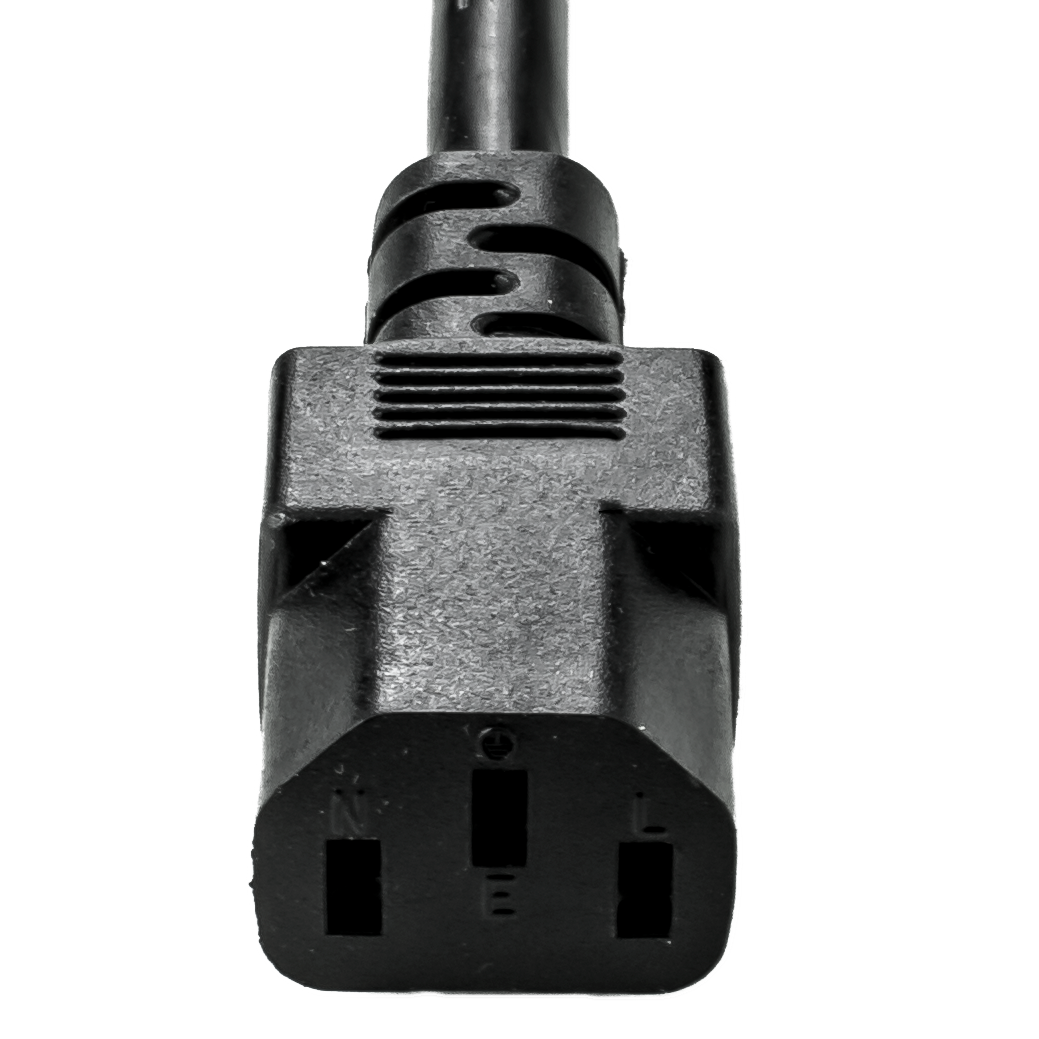
Connector · IEC 60320
IEC 60320 C13
- 15 Amps
- 125/250V
On 48 of the cords here (26%)
The IEC 60320 C13 is a grounded 3 Wire connector rated up to 250V and 15 Amps. The C13 mates with a C14 inlet, and is commonly used in a jumper cable scenario in IT Installations providing power from a PDU to a server, router, switch or other computing device. Most people know the C13 as 'the thing that plugs into my computer' because it is the standard connector used to power most desktop computers. In a desktop computer application, the most common cable is the NEMA 5-15P to C13, which connects your standard North American wall outlet to a desktop computer.
Mates with IEC 60320 C14 Inlet
Plug · International
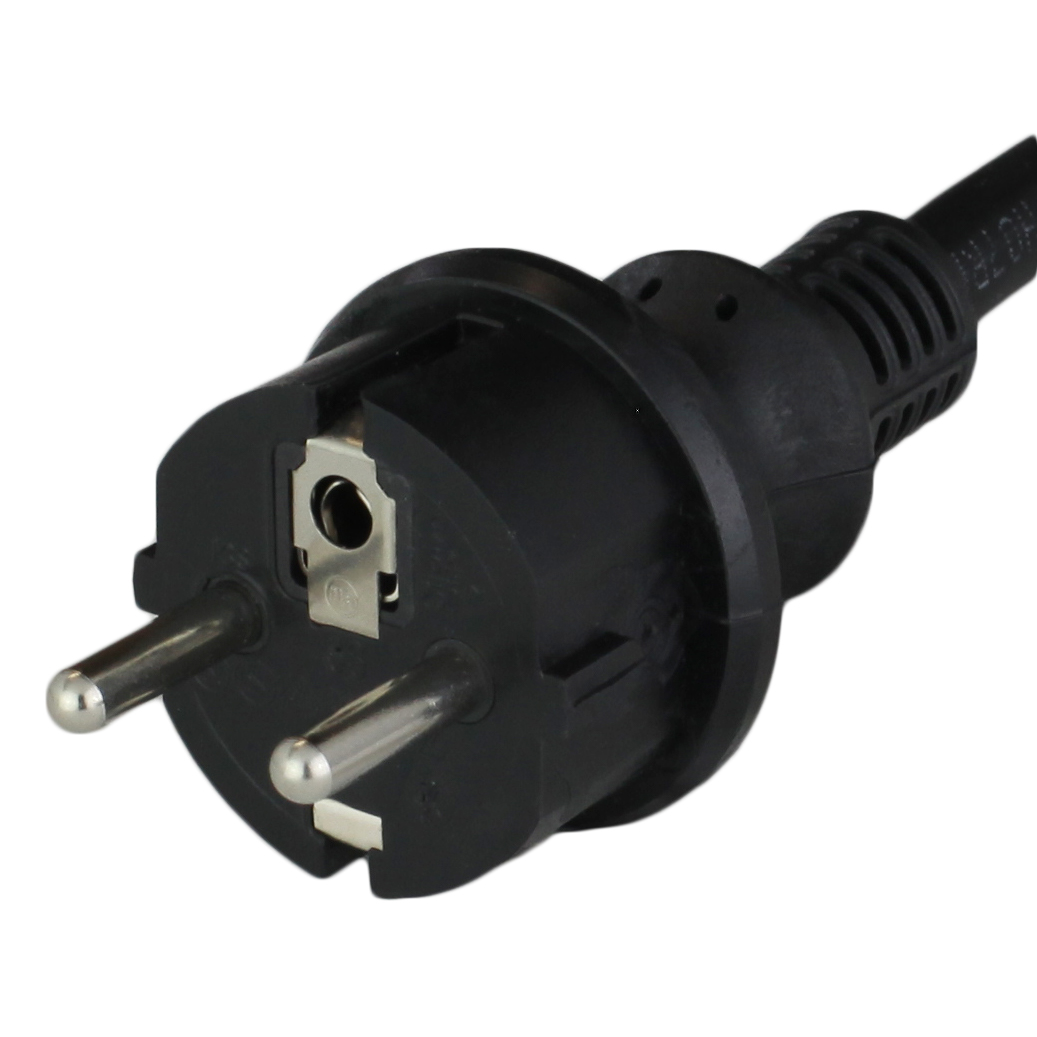
European Schuko CEE7/7 - Straight
- 16 Amps
- 250 volts
On 33 of the cords here (18%)
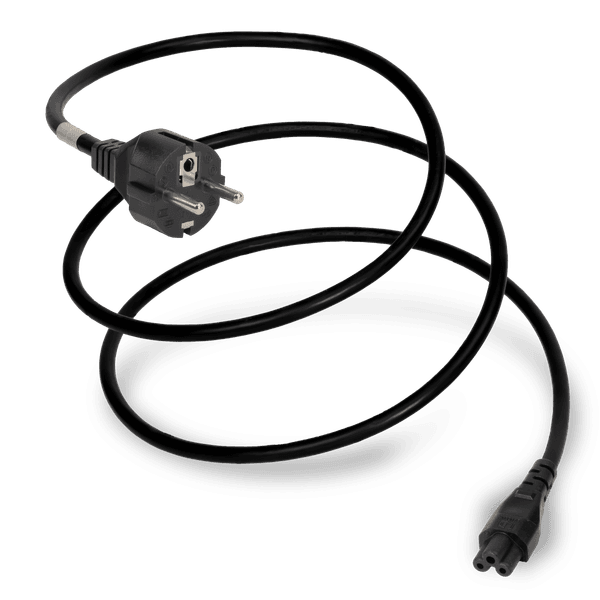
The plug (MALE) is a Type F Schuko CEE7/7. It fits both E (France) and F (European / Germany) type outlets (sockets). Available in straight or down/up angle orientation. The plug has two round pins (line and neutral) each 4.8 mm diameter, 19 mm long and spaced 19 mm apart. The plug also has two flat areas (top and bottom sides) and a female contact for the ground.
Mates with Schuko CEE7/7 Outlet
Connector · IEC 60320
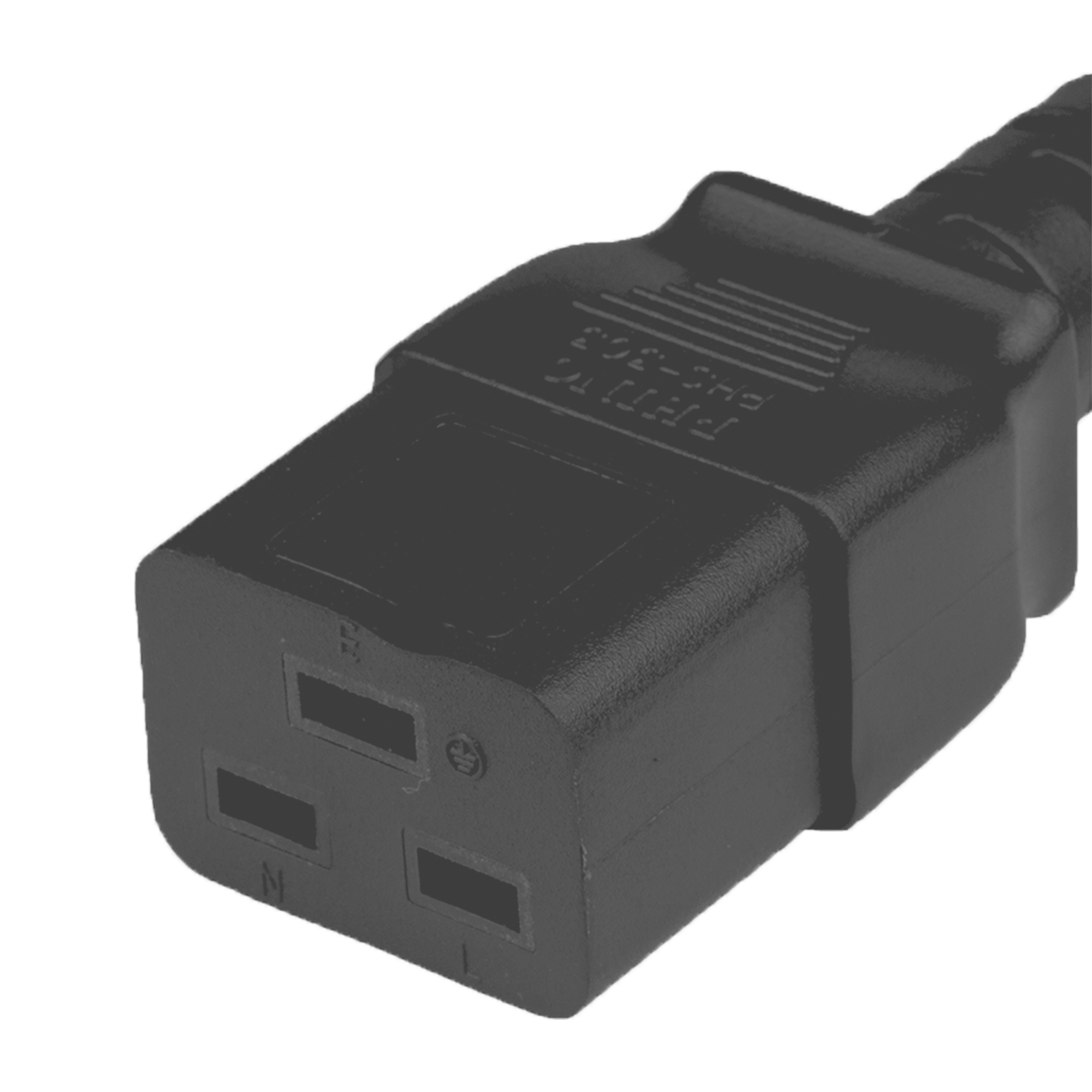
IEC 60320 C19
- 20 Amps
- 125/250V
On 30 of the cords here (16%)
The IEC 60320 C19 is a grounded 3 Wire connector rated up to 250V and 20 Amps. The C19 mates with a C20 inlet, and is commonly used in a jumper cable scenario in IT Installations providing power from a PDU to a server, router, switch or other computing device. The C19 is typically used in high powered blade server chassis, large network routers, and other IT equipment that draws more power than a standard C13 can accommodate.
Mates with IEC 60320 C20 Inlet
Plug · International
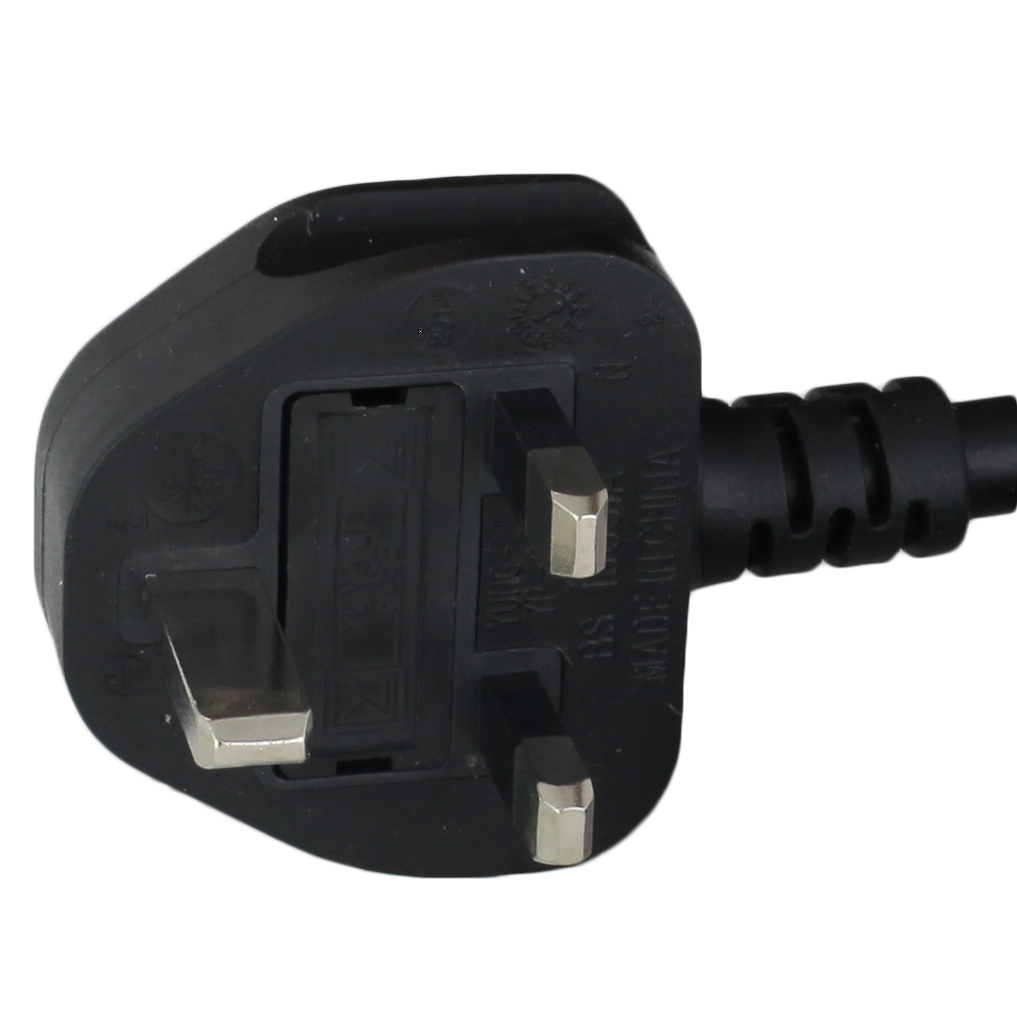
UK BS1363 ANGLED
- 13 Amps
- 250 volts
On 27 of the cords here (15%)
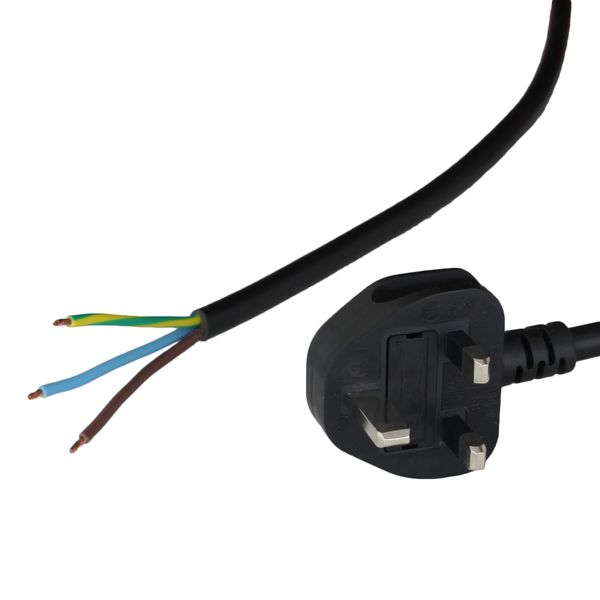
The UK BS1363 plug type configuration is rated for 250VAC and 13 Amperes of power in the United Kingdom. It is also classified as the IEC type G, and is the standard plug type for electrical appliances in the United Kingdom. It is the only plug type to have an internally wired fuse in the plug body, adding an additional layer of electrical protection.
Mates with UK BS1363 Outlet
Connector · IEC 60320
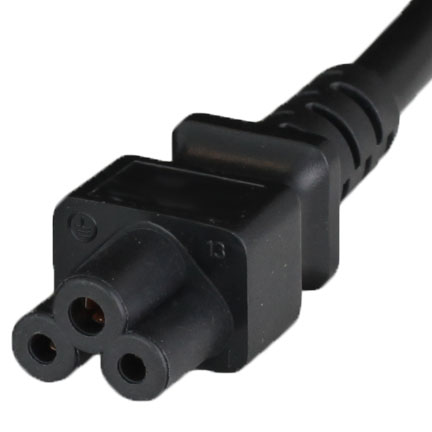
IEC 60320 C5
- 10 Amps
- 250 volts
On 15 of the cords here (8%)
The IEC 60320 C5 is a grounded 3 Wire connector rated up to 250V and 2.5 Amps Internationally or 125V and 10 Amps in North America. The C5 mates with a C6 inlet, and is commonly used for laptop power supplies, projectors, and some televisions. Being slightly smaller in size than the C13, the C5 can be a good choice for smaller appliances. This connector is sometimes referred to as a "Mickey Mouse" connector due to the shape of the connector looking similar to the kids television show character.
Mates with IEC 60320 C6 Inlet
Related reading
TAA Compliance : What does TAA mean and how does it affect you?
TAA stands for Trade Agreements Act, and is an act of congress passed in 1979 that requires all items sourced for GSA Schedule Contracts to...
Compliance & Standards · 1 min read
Power Cordage : How to choose the right Gauge, Jacket, and Conductor Count
Unlike Construction installations, where licensed electricians are tasked with providing power to various locations, utilizing portable powe...
Power Cords · 8 min read
About International Power Cords
Difference between international plug types
There are a handful of standard electrical power outlets that are uniquely specified by local standards and approvals. These power plug configurations are classified by “Type”, and all will have similar dimensional specs no matter where they are used in the world. Most plugs will be used in several different countries, which will change the power rating and the “standard” it was built to but they will still be identical in appearance. It is not recommended to use power cords in a country they were not approved for, because the manufacturer has designed the cable with considerations of the supply voltage of 1 country that may not be suitable or universal with the country you plan to bring it to.
IEC socket types and how they are rated around the world.
The IEC plug types are used around the world, and their voltages and amperage rating changes based on where they are being used. This is due to local electrical safety, and the different distribution voltages and frequencies supplied around the world. To learn more about this, refer to our extensive international power reference page, that can be accessed by the Reference Tab on this page.
How to Choose the Right International Power Cord
Match the Plug Type to the Destination Country
Every country mandates a specific plug standard. Use the Plug Type filter on this page to narrow by region:
- Type C / Europlug (CEE7/16) — most of continental Europe, South America, Asia
- Type G (BS1363) — United Kingdom, Ireland, Singapore, Hong Kong
- Type I (AS/NZS 3112) — Australia, New Zealand, Argentina
- Type N (NBR14136) — Brazil
- Type L (CEI 23-50) — Italy
- Type J (SEV 1011) — Switzerland
- Type M (SANS 164-1) — South Africa, India (15 A)
Verify the Required Certification
Selling or deploying equipment in a regulated market requires the correct country approval on the cord itself — not just the device. Use the Certifications filter to confirm the mark you need: VDE (Germany), ENEC (pan-European), SAA (Australia), PSE (Japan), INMETRO (Brazil), IRAM (Argentina), CCC (China), ASTA/BSI (UK), and more. All cords on this page carry at least one listed approval.
Select the Right IEC 60320 Connector
The device end must match your equipment's inlet. C13 (10 A) and C19 (16 A) are the most common for servers and PDUs; C5 and C7 suit laptops and AV gear. Filter by Connector Type and Current Rating to find the exact combination.
Related
Current rating
2.5–20 Amps
Voltage rating
125–250 volts
Certifications & compliance
- VDE
- RoHS
- PSE
- Argentina IRAM
- Every cord we build is hi-pot tested
- Same-day shipping by 2:30 PM ET
- NET 30/60/90 for approved accounts
- In-house engineering and compliance support
Frequently asked questions
- What outlet types will the Europlug (Type C) Fit into?
- While the Type C plug is generally rated for only 2.5 Amperes, it can plug into many different outlet types rated for more than that for the sake of convenience. The Europlug can access power from Type C, E,F, E/F, J, K, or N Sockets.
- What is the difference between countries electrical supplies that share plug types?
- Each country will have its own standard for electrical distribution voltages and frequencies. While some are more standard that others and they are not substantially different, it may affect your electrical devices when traveling. Refer to the Resource Tab to navigate to our International Reference Page, which goes into depth about the differences of frequencies used globally.
- Can I use the Europlug in other countries?
- Yes. The Europlug is also referred to as IEC Type C and is used across the globe. When traveling through the EU, your power cable will have the same approvals as local cables. While the Europlug is the same look no matter where you are and can be plugged into many outlets, different frequencies and distribution voltages can sometimes alter the performance of your electrical device when traveling.
- What certifications are required for international power cords?
- The required certification depends on the destination country. Common marks include:VDE / ENEC — Germany and pan-European marketsSAA — AustraliaPSE — JapanINMETRO — BrazilIRAM — ArgentinaCCC — ChinaASTA / BSI — United KingdomUse the Certifications filter on this page to show only cords carrying the mark you need.
- What is IEC Type I and which countries use it?
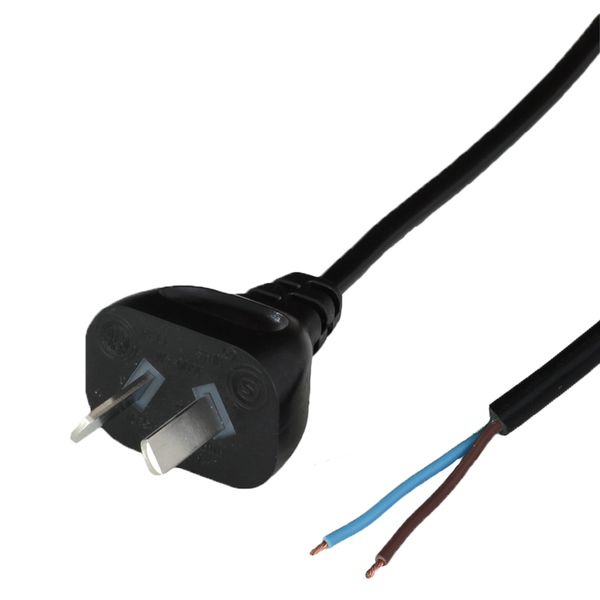
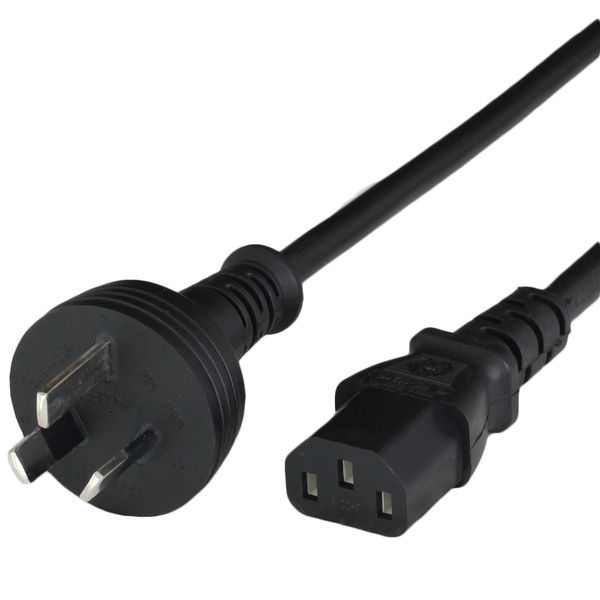
- IEC Type I is the plug standard used in Australia, New Zealand, and Argentina. It features two flat angled blades (and a ground pin on the 3-pin version) and is standardised as AS/NZS 3112 in Australia and New Zealand and IRAM 2073 in Argentina. Cords with a Type I plug on this page carry SAA approval for Australia or IRAM approval for Argentina.
- Can I order international power cords in custom lengths or quantities?
- Yes. Many SKUs on this page are available as made-to-order items in lengths ranging from 1 foot to 20 feet or more. For large-quantity orders or non-standard configurations, use the Instant Quote or Custom Cable Configurator tools, or call (860) 763-2100 to speak with an approvals specialist.
- Do these international power cords ship the same day?
- In-stock international power cords ordered by 2:30 PM ET qualify for same-day shipping. The product listing shows real-time stock quantities. Made-to-order items have longer lead times — contact the sales team at (860) 763-2100 for a specific timeline.